If you’ve ever felt a jolt of pain from something cold or had a dull ache after eating sweets, then you’ve experienced what weakened enamel can feel like. Learning the secret to having strong teeth isn’t about quick fixes; it’s about daily habits that stand up for enamel, help it recover and repair itself, and prevent damage.
- Having strong teeth comes down to protecting tooth enamel, getting enough of the essential minerals it needs, and keeping on top of regular dental care.
- The fastest ways to strengthen your teeth at home are to cut back on sugary and acidic foods, brush twice a day gently with fluoride toothpaste, floss daily, and drink plenty of water.
- Acid reflux, dry mouth, and grinding your teeth can quietly weaken your teeth and need to be tackled alongside good oral hygiene.
- If home care isn’t doing the trick, then professional treatments like fluoride varnish, dental sealants, bonding, and crowns can step in and protect or restore badly weakened teeth.
Understanding What Makes Teeth Strong (and What Weakens Them)
Teeth are strong when they have intact enamel, healthy dentin and pulp, and healthy gums that don’t bleed when you brush your teeth.
- Enamel is actually 96% mineral and is the hardest thing in the body, but once it’s gone, it’s gone and cannot grow back. Protecting it is the key to long-term oral health.
- Plaque bacteria feed on sugars and starches, producing acids that dissolve the minerals in enamel, a process called demineralisation. Eating sugary snacks and refined carbohydrates all the time increases this exposure and makes you prone to tooth decay.
- Your saliva helps to neutralise acids, wash away food, and supply the enamel with what it needs to remineralise. Not having a healthy amount of saliva production reduces this natural protection.
- Teeth grinding (bruxism), brushing your teeth too aggressively, acid reflux, smoking, and snacking too much can also contribute to enamel loss.
- Genetics affect how thick your enamel is and what your teeth are like, but daily habits play a big role in your long-term dental health.
Daily Oral Hygiene Habits to Strengthen Teeth
Having a consistent dental routine is one of the best ways to stop cavities, gum disease, and enamel damage from happening.
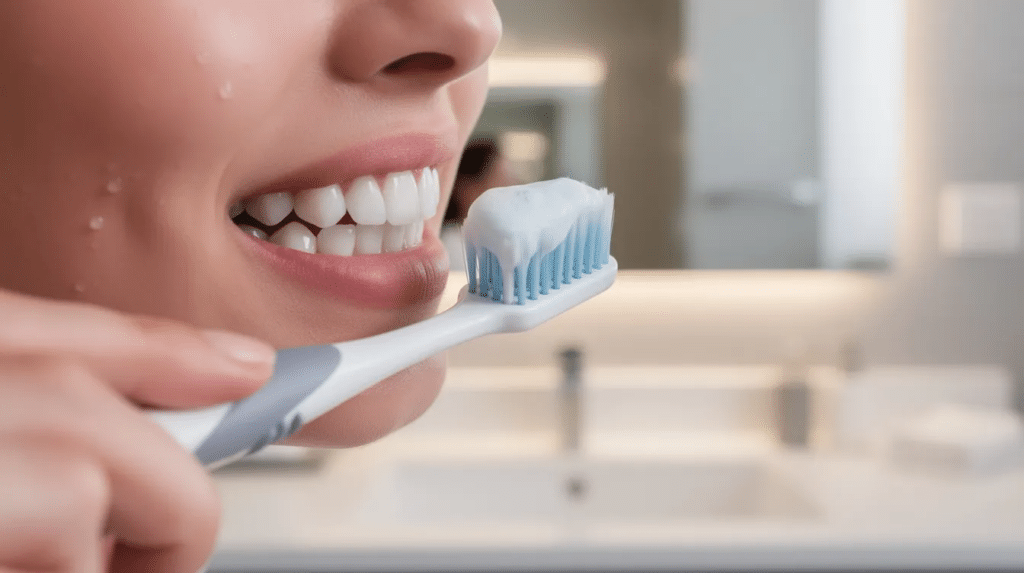
- Brush your teeth twice a day for two minutes with fluoride toothpaste and a soft-bristled toothbrush. Hold it at about 45 degrees towards the gumline, and use gentle circular motions. And then spit rather than rinse to keep the fluoride on your teeth for longer.
- Floss once a day to remove plaque and food particles between your teeth and along the gumline, areas that brushing can’t get to.
- Use an alcohol-free fluoride or antibacterial mouthwash if your dentist recommends it.
- Leave about 30 minutes after eating acidic foods or drinks like soda, citrus or sports drinks before brushing because acids will have softened your enamel.
- Drink plenty of water to wash away food, dilute acids and keep your saliva healthy.
- Chew sugar-free gum after meals to get your saliva working to help neutralise acids.
Foods and Drinks That Help (or Hurt) Healthy Teeth
What you eat and drink can either support maintaining strong teeth or give the bacteria that cause enamel damage a helping hand.
Foods that strengthen your teeth:
- Calcium-rich foods: A diet rich in milk, cheese, plain yogurt, leafy greens, tofu, beans and almonds gives your enamel the minerals it needs to repair itself.
- Vitamin D from fatty fish, fortified dairy products and safe sunlight can help your body absorb calcium.
- Crunchy fruits and vegetables like carrots, celery and apples can get your saliva flowing and help clean your teeth.
Foods and drinks that weaken teeth:
- Sugary and sticky foods like caramels, gummies, chips and crackers feed the acid-producing bacteria and can weaken enamel with repeated exposure.
- Acidic foods and drinks like citrus fruits, tomatoes, soda, and energy drinks can erode enamel, especially if you have them all the time.
Some tips: Have sweets with meals instead of snacking in between, use a straw when drinking acidic drinks, rinse with water afterward, and make water or milk your go-to drink.

Even when you have excellent oral hygiene and a healthy diet, your teeth may still be at risk if you’re not looking after damaging habits or health conditions.
- Teeth grinding (bruxism) can crack or wear down your teeth. If you’re experiencing jawbone pain, morning headaches, or flattened tooth surfaces, you may need a custom night guard.
- Tobacco products increase the risk of gum disease and tooth loss, and using your teeth to open packages can cause avoidable chips and fractures.
- Acid reflux, frequent vomiting, dry mouth, and poorly controlled diabetes can all make your teeth more vulnerable. Work with your doctor and dentist to tackle these risks.
- Keep on top of regular dental checkups with your dentist, usually every six months, to help prevent dental problems before they become serious and ensure you catch any issues early.
Visit your dentist regularly. Detecting problems early on is cheaper, less invasive, and more comfortable than dealing with severely damaged teeth.
Dental Treatments That Can Protect Your Teeth from Falling Apart
When your now weak teeth are getting worn down, chipped, cracked, or just plain falling apart, it’s time to get some professional help. But if you get in to see the dentist sooner rather than later, you’ll find that a lot of issues can be fixed without too much fuss.
- Fluoride treatments and really strong stuff you can buy at the pharmacy to put on your teeth, that sort of thing, can help to rebuild the enamel on your teeth and stop the rot before it sets in. There are also special products that contain calcium and phosphate that can give your teeth an extra boost.
- Dental sealants are a great way to seal off those hard-to-reach grooves on your back teeth, keeping the food and the bacteria out and seriously cutting down on the number of times you’ll need to get a filling.
- Fillings, crowns, inlays and onlays are pretty much your go to’s when you need to fix a tooth that’s gone wrong. They’ll repair the damage, help even out the pressure when you bite, and basically keep your tooth intact.
- Orthodontic treatment, think braces and clear aligners, can sort out any issues with how your teeth line up, cut down on the uneven stress they’re under, and make it a heck of a lot easier to keep them clean.
- Bonding or veneers can fix up chipped or worn teeth and add an extra layer of protection if you’ve lost a lot of enamel.
FAQ
Can you actually rebuild tooth enamel once it’s gone?
Enamel cannot regrow; early damage can be remineralised, but cavities need dental treatment.
Are “natural” or homemade remedies enough to strengthen teeth?
Healthy habits help, but DIY abrasives or acids harm enamel: stick with fluoride toothpaste.
Does using a hard-bristle toothbrush clean better and make teeth stronger?
No: hard bristles wear enamel and gums; soft bristles with gentle technique clean best.
How long does it take to notice stronger, healthier teeth?
Sensitivity may improve in weeks; bigger changes take months or require treatment.
Is it ever too late to strengthen your teeth?
Never too late: better habits and care protect remaining enamel and reduce future problems.