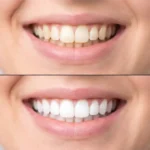

Cosmetic dental bonding procedures have become some of the most popular cosmetic dental treatments in 2026 because they’re a fast & affordable way to give your smile a total makeover without the long-term commitment that comes with veneers or crowns. Whether you’re dealing with a chipped tooth, a small gap, or some discoloration, this guide will give you everything you need to know before sitting in the dentist’s chair.
- Composite Bonding is a cosmetic dental treatment where a dentist applies tooth-coloured composite resin directly to your teeth, shapes it to perfection & hardens it with a special light, all in one visit.
- Cosmetic Tooth Bonding is a pretty painless procedure & usually doesn’t require any shots or drilling to be done.
- The cost of Composite Bonding can range anywhere from $150–$800 per tooth in the US & £150–£500 in the UK, depending on the complexity of the job, where you live & the dentist doing the work. Most insurance plans won’t cover purely cosmetic bonding.
- Teeth bonded with composite resin last anywhere from 3–10 years with proper care, but they can chip or stain more easily than porcelain.
- Composite bonding is best for minor chips, small gaps, a bit of crookedness & discolored teeth. A chat with a cosmetic dentist will let you know if you’re a good candidate or not.
What You Need to Know About Composite Bonding for Teeth
Composite bonding is a cosmetic dental treatment where a dentist applies tooth-coloured composite resin directly to your natural teeth to enhance their shape, colour or appearance. Because it takes so little of your natural tooth structure, it’s one of the most affordable & minimally invasive when compared to other cosmetic treatments out there.
Unlike the old traditional fillings, which were mainly used to fix decay, cosmetic Bonding is all about the visible bits of your teeth that show when you smile or talk. And unlike orthodontic work, which requires a full-on physical move of the tooth, composite bonding just reshapes the surface.
In 2026, composite bonding remains super popular because it’s quick, reversible, and is a heck of a lot cheaper than veneers. If you want to enhance your smile without breaking the bank or committing to some major treatment, it’s a great place to start in cosmetic dentistry.
What Exactly is Composite Bonding (And What It Can Fix)
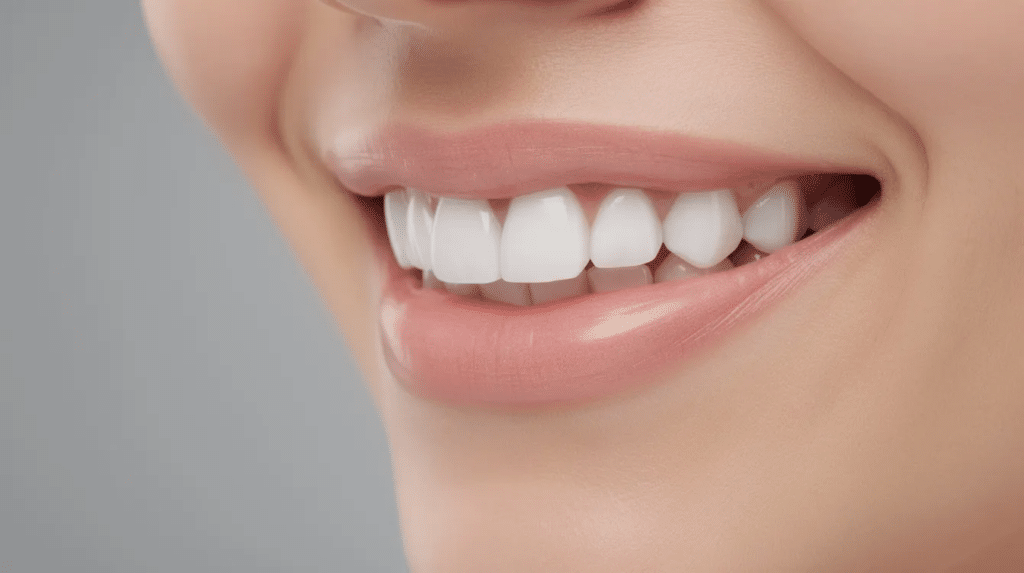
At its core, composite Bonding is a cosmetic dental procedure in which tooth-coloured composite resin is built up layer by layer directly onto existing teeth, then hardened with a special curing light.
The resin combines plastic with bits of glass to make it super strong & resistant to stains.
Plus, you can get the shade to match your natural teeth so it looks totally natural. And because it’s a cosmetic procedure, it’s not used for filling cavities or covering roots, although the same composite resin material is used in both.
Composite bonding offers solutions for:
- Any minor chips or cracks on your front teeth.
- Worn or uneven edges
- The kind of discoloration that can’t be solved with whitening
- Small gaps between your teeth
- A bit of crookedness or overlap
- Cosmetic cavities on the surfaces of your teeth that show when you smile
We’re focusing on the cosmetic side of things here, not the restorative stuff for cavities or root coverage, even though the same material is used for both.
The Cosmetic Dental Bonding Process: A Step-by-Step Guide
Most cosmetic bonding procedures take around 30–60 minutes per tooth & are usually done all in one visit to the dentist. Some numbing might be needed if you also need a filling.
- Consultation & Smile Evaluation: Your dentist takes a good look at your teeth, gums, bite & alignment while you discuss what you’re looking to achieve.
- Shade Matching: A shade guide is used to pick the composite resin that matches your natural teeth.
- Tooth Preparation: The surface is given a light etch & conditioning to help the bonding material stick. Usually no major natural tooth enamel removal or drilling is needed.
- Resin Application & Sculpting: The composite resin is layered up & shaped to get the desired look while matching the surrounding teeth.
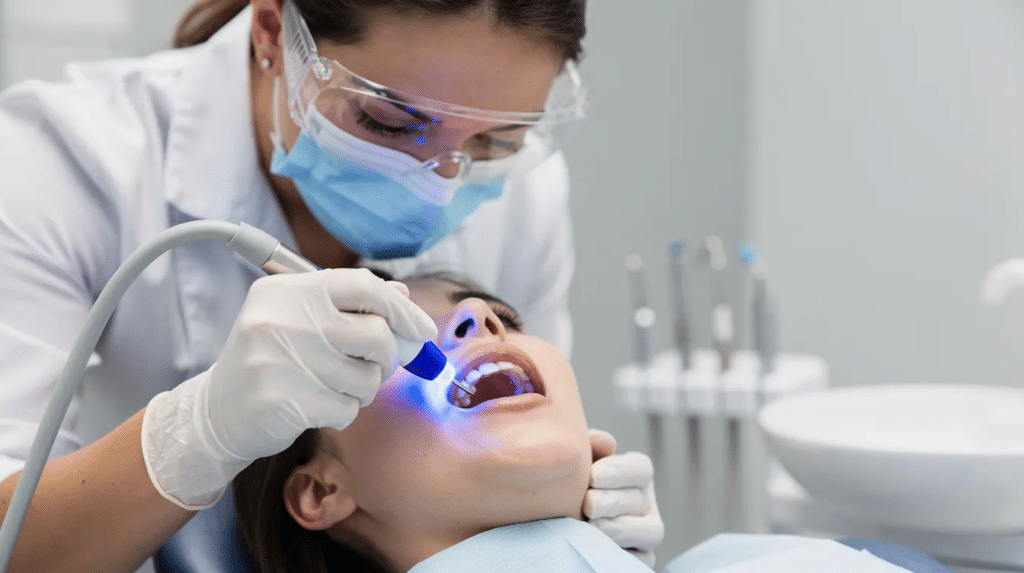
- Curing: A special light hardens each layer, usually for 20–40 seconds.
- Final Adjustments & Polishing: The dentist smooths out the edges, checks your bite & polishes the resin to get it looking just like your natural enamel.
Time Guide: Fixing a single tooth usually takes 30–60 minutes, but a full smile makeover with a half dozen or so teeth could take 1–3 hours or multiple sessions.
Benefits & Limitations of Composite Bonding
Composite bonding gives you a noticeable cosmetic boost with little to no commitment, but it’s not without its limitations when compared to porcelain.
The Upside: Composite bonding is minimally invasive & leaves most of your natural tooth structure intact. It’s done in one visit, gives you instant results, and is reversible, making it a cost-effective option for minor cosmetic issues. Plus, it’s a heck of a lot cheaper than veneers or crowns.
Limitations: Composite resin isn’t quite as durable or resistant to stains as porcelain. Be prepared for the possibility that coffee, tea, red wine, and tobacco can discolour the bonded area, & heavy bite forces can chip or crack it. Also, keep in mind that bonded resin won’t whiten as your natural teeth do, so it may need to be replaced if you go for a bleaching treatment to make your whole smile a bit lighter.
With proper care, composite bonding can last 3-10 years, but you might need a bit of a refresh sooner than that if you start to notice your bonded areas getting worn or changing colour.
Composite Bonding vs Veneers, Crowns, and the Rest
When it comes down to it, the right cosmetic dental treatment for you will depend on your tooth condition, how long you want it to last, how much you’re willing to spend, and how much of your natural tooth you’re ready to alter.
Porcelain veneers are generally pretty long-lasting; we’re talking 10-15+ years in some cases, and they’re great for a full smile makeover. On the downside, they usually require some enamel to be removed & can cost a pretty penny more than composite bonding. They are also not reversible.
Dental crowns are pretty protective for badly broken or heavily restored teeth, but they require a lot of tooth reshaping & can be pricey.
And if you’ve got moderate to severe crowding or bigger gaps, or even a bite problem, then orthodontic treatment is probably the way to go. Composite bonding can help cover up minor alignment issues, but it won’t actually change the position of your teeth.
| Feature | Composite Bonding | Porcelain Veneers | Crowns |
| Invasiveness | Minimally invasive | Moderate (enamel removal) | High |
| Longevity | 3–10 years | 10–15+ years | 10–20+ years |
| Cost per tooth | $150–$800 | $1,000–$2,500+ | $1,000–$3,000+ |
| Stain resistance | Moderate | High | High |
| Best for | Minor chips, gaps, colour | Full smile redesign | Structural damage |
Composite Bonding Costs in 2026
How much is composite bonding likely to cost? Well, that depends on a whole lot of things, including the country, dentist, and where you’re getting the treatment. In the US, you’re probably looking at $150-$800 per tooth. In the UK, a simple edge bonding might cost around £100-£200, but if you need a more in-depth full-coverage reshaping, that’s £300-£500. Multiple-tooth smile makeover packages can go all the way up to £1,200-£3,600.
At Dental Algodones, we offer composite dental bonding as low as $100 per tooth, which makes it one of the most affordable cosmetic treatments for people coming in from abroad.
The final price can vary depending on how much work you need done.
Things that can affect the price include:
- How many teeth you need to do; a small repair is going to cost less than a bigger reshaping.
- How complex the treatment is; if you need a lot of detailed contouring or shade matching, that takes longer.
- The type of composite material, brand, quality, etc., all make a difference.
- Where and who is doing the work: that can also push the price up a bit.
Insurance usually won’t cover composite bonding if it’s purely for cosmetic reasons. NHS and most US dental plans just consider it an elective thing when it comes to aesthetics, although you might be covered if you need a bonding to fix a tooth that’s been damaged in some way. Your best bet is to come in for a consultation to get a more accurate quote.

Who’s a Good Candidate, and How Long Does It Last?
Good candidates for composite bonding generally have healthy teeth and gums, a bit of a cosmetic problem they’d like to sort out, realistic expectations & pretty good oral health habits.
It’s definitely not ideal for people with severe decay, big old chips that need crowns, or untreated bruxism. Teeth grinding, like, all the time can really shorten the life of your bonded teeth.
Composite bonding usually lasts 3-10 years, but over time it may need a bit of maintenance to keep it looking its best. You might need to get it repolished or redone if the resin starts to wear or changes colour.
Having good oral hygiene is mandatory to keep your bonded teeth looking their best for as long as possible:
- Brush your teeth twice a day with a soft-bristled toothbrush & non-abrasive toothpaste.
- Floss gently around the bonded areas.
- Try not to bite ice, pens, or any other hard objects.
- Cut back on dark-coloured drinks or tobacco, which can stain the composite resin.
- Go in for regular checkups to keep your whole smile in tip-top shape.
One thing to keep in mind is that bonded resin won’t whiten with whitening treatments. If you do plan on getting your teeth whitened, do it before you get the bonding, or you might find you need to redo it later on to match your new shade.
FAQ: Composite Bonding Teeth
Is composite bonding painful?
Bonding is usually completely painless since it only works on the enamel and only rarely needs any anaesthetic. You can get on with your day as normal afterwards, just don’t be surprised if you get a bit of sensitivity for a while.
How many teeth can be bonded at one time?
Your dentist can do a single tooth or get a bunch done in one visit; it’s entirely up to you. Simple fixes are usually done in under an hour, but if you want to tackle 4-6 teeth or totally overhaul your smile, it might take 2 or 3 hours or a few sessions to get the job done.
Can composite bonding discolor or change colour over time?
The short answer is yes, that lovely resin can pick up stains from coffee, wine, or a cigar. But don’t worry, regular cleanings and polishing can help, and in some cases you might just need the resin replaced. Just avoid eating too much of those foods for the first couple of days after treatment.
Will composite bonding damage my real teeth or is it permanent?
Don’t worry, bonding is actually really tooth-friendly; even if it does require enamel removal, it’s just a minimal amount to get the resin to stick. And the good news is that if you ever want to change things up, the resin can be reshaped or even removed altogether. So it’s a pretty flexible option, especially when you compare it to veneers.
How should I prepare for a composite bonding consultation?
First, take a good hard look at your teeth and see which ones you’d like to sort out, then grab some pictures of your favourite smiles to bring along to your appointment. Ask your dentist about how long the fix is going to last, how much it’s going to cost, and what you need to do to take care of your new smile. Oh, and it doesn’t hurt to let them know about any health issues or habits like smoking or grinding; that way they can give you a better idea of what to expect.