Cavities can pop up even when you do brush regularly. If you’ve been wondering “how do I get cavities even though I brush?”, you’ve got company; you’re not alone in this. The answer usually comes down to the sort of risks that brushing just can’t fix.
- Brushing and flossing are a big help in controlling plaque, but eating too frequently, having a dry mouth, saliva issues, or chomping on acidic foods can all still put you at a high risk for getting cavities.
- Your saliva levels, genetics, the shape of your teeth, and just how crowded they are all play a role in making you more prone to tooth decay.
- Sipping sugary drinks or having acid reflux can take a toll on your teeth even when you’re brushing and flossing.
- The way you brush and floss can count; not just whether you have good brushing habits or not, technique actually makes a difference.
- Making a few targeted changes to your diet, dry mouth, your brushing technique, and trips to the dentist can all make a big difference and lower your risk.
Why You Keep Getting Cavities Even Though You Make Your Best Efforts To Brush And Floss Regularly
Cavities form in your teeth when bad bacteria in your mouth produce acid after feeding on the sugars and starches you eat. These corrosive acids slowly chew away at your enamel, and when these acid attacks come faster than your saliva can fix the damage, that’s when cavities start to form.
Brushing and flossing help cut back on plaque, but there’s only so much they can do; they don’t stop your mouth from producing acid in the first place, nor do they prevent your saliva from doing its natural job. Plus, there are plenty of hidden risks out there: sugar and acid hiding in your everyday diet, tooth enamel that isn’t as strong as it should be, and nighttime habits that can quietly harm your teeth.
Brushing and Flossing: Deep Grooves and Crowded Teeth- What’s Missing from the Picture
Even when you brush regularly, some areas of your mouth might still be getting missed where plaque is building up. Some of the most common mistakes include:
- Brushing for less than two minutes
- Missing the gumline and back molars
- Using a toothbrush that’s worn out
- Brushing too hard
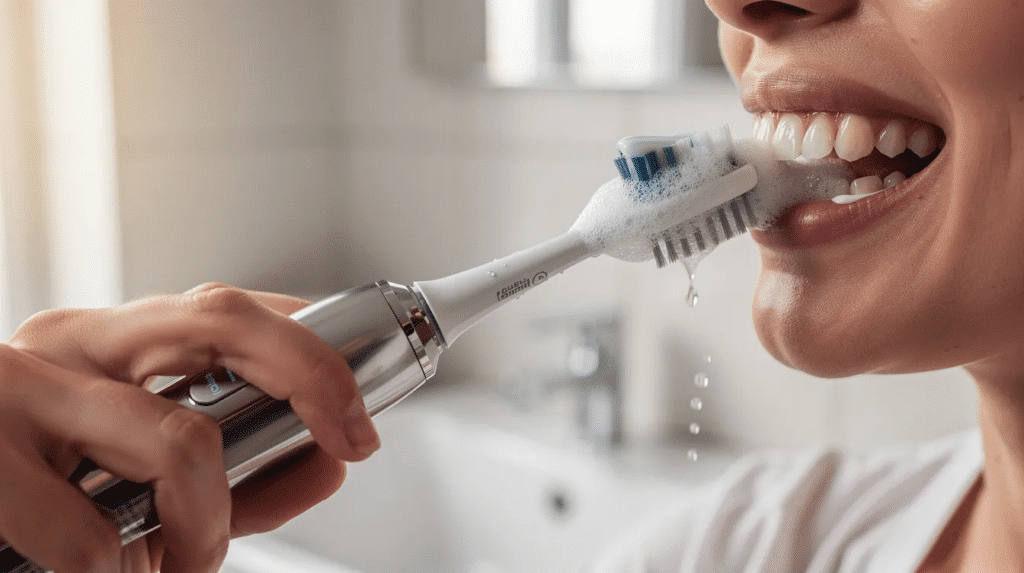
Do it right: use gentle, circular strokes, and angle the bristles toward your gumline. Floss should curve around each tooth so you get into those tight spaces rather than just moving it straight up and down.
Deep grooves in your teeth, crowded teeth, braces, and bridges all make cleaning much harder, but using an electric toothbrush and interdental cleaners can help, and so can a few tips from your dentist or hygienist on how to keep your mouth clean.
Diet, Snacks and Acidic Foods, Why What and When You Eat Matters
When it comes to cavities, the risk isn’t just about how much you eat; it’s about how often your teeth are exposed to sugar and acid. Every time you eat or drink something sugary, it can trigger an acid attack for 20-30 minutes, and the more often you snack, the less time your teeth have to recover.
Some bad habits that can make you more prone to cavities include:
- Sipping on soda, sweet coffee, or sports drinks over a long period of time.
- Snacking on crackers, chips, or granola bars all through the day.
- Eating dried fruit that clings to your teeth.
- Frequently drinking flavored sparkling water, or eating citrus.
Acid can weaken your enamel even when your sugar intake is low, and if you have acid reflux, you can end up exposing your teeth to stomach acid at night. The practical solutions include eating at set mealtimes, drinking plain water between then, rinsing after eating acidic foods, and waiting about 30 minutes before brushing. If you have acid reflux, try to avoid lying down after meals.
Hidden Biological Factors: Saliva, Dry Mouth, Genetics, and Tooth Shape
Some folks are more prone to cavities because of the way their biology works. Your saliva neutralizes acid, gets rid of bacteria, and gives your teeth the minerals they need to stay strong, so when your saliva flow is low, it can leave your teeth vulnerable to decay.
Dry mouth can be caused by a number of things, including the meds you take, how hydrated you are, breathing with your mouth open at night, or a condition like Sjögren’s syndrome. You might notice a sticky mouth, bad morning breath, or a need to drink more water than usual. Take a trip to the dentist if you’re worried that medication might be the problem.
Genetics can also play a role in how strong your enamel is, and how much saliva you produce. Receding gums expose your roots, which can decay faster, and deep grooves and pits in your molars can trap bacteria. Dental sealants and orthodontic treatment can help protect the areas of your teeth that are most prone to problems.
Lifestyle Habits and Nighttime Risks You Might Be Missing
Some of the things that might be causing cavities in your mouth are just habits that are happening at night, or that you just aren’t even thinking about.
- If you skip brushing at night, or eat and drink something acidic afterward, it’s especially bad because your saliva flow drops while you’re asleep.
- Breathing with your mouth open dries out your mouth and reduces your saliva’s protection, which makes it more likely that you’ll get cavities, especially right at the gumline and on your front teeth.
- Grinding your teeth at night can wear down your enamel and create tiny cracks where bacteria can get in.
- If you skip dental appointments, you’re letting cavities and problems with old fillings get worse without giving you any obvious symptoms.
You should really see a dentist every six months. Professional cleanings can remove buildup that brushing just can’t, and regular exams can catch decay early; folks with higher risk might need to go in more often.
How To Reduce Cavity Risk When You’re Already Doing What’s Best?
Don’t get discouraged; a lot of people have been able to dramatically lower their risk of new cavities just by adjusting a few habits.
Upgrading Your Daily Routine:
- Spend a couple of minutes twice a day brushing your teeth with fluoride toothpaste & gentle circular motions (aim for a whole two minutes each session)
- Floss daily, or give interdental cleaners a go; they can make a real difference
- Have you thought about getting an electric toothbrush to help with that plaque?
Making Changes to Your Diet:
- Try eating sweets with meals or at set times, rather than just nipping at them all through the day
- Try to avoid or limit sugary drinks and acidic pop for most of the day; better to stick with water
- For acidic foods, try rinsing your mouth with water after eating
Talking to a Pro:
- Fluoride treatments, like varnish, twice a year might help cut your cavity risk in half
- Dental sealants on the back teeth where grooves are deep could give you some safeguard
- If you’ve got a high risk of cavities, your dentist might recommend a special toothpaste with super-strong fluoride
- If you grind your teeth, a night guard is a good idea, plus, your dentist should look over any dental work you’ve had over the years.
- Not using fluoride properly can increase your risk of cavities, so have a chat with your dentist about finding the right products for you.
Getting to know your own unique risk factors and working closely with your dentist to come up with a personalized plan is the best way to avoid cavities, prevent recurrences, and stay completely cavity-free, eventually.
FAQ
Can I Fix a Cavity Once It’s Started?
If you catch things early, like a white, chalky spot, you can sometimes turn things around with fluoride, saliva, and diet changes. Once it becomes a hole or brown spot, you’re usually looking at a filling. Ask your dentist if the damage can still be reversed.
Even if I never eat a lump of sugar, can I still get cavities?
You bet. Starchy foods, sweet drinks, juice, and frequent snacking can all contribute to cavities. Hidden sugars also turn up in yogurt, cereals, sauces, and protein bars. Check labels, cut back on snacking, and choose whole foods and water more often.
Why do I get more cavities than my partner or mates?
Genetics, saliva flow, bacteria, diet, weaker enamel, tooth shape, overcrowding, and medications can all affect cavity risk. Instead of comparing yourself to others, focus on your own risk factors and work with your dentist to manage them.
Does mouthwash replace flossing?
No way! Mouthwash can reduce bacteria and provide fluoride, but it won’t remove plaque and food particles stuck between teeth. You still need floss or interdental brushes. Use mouthwash as an extra boost, not a replacement.
How often should I get X-rays if I keep getting cavities?
If you get cavities often or have a higher risk, you may need bitewing X-rays every 12 months. Lower-risk patients may need them less often. Talk to your dentist about a schedule based on your cavity history.