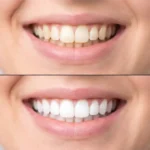
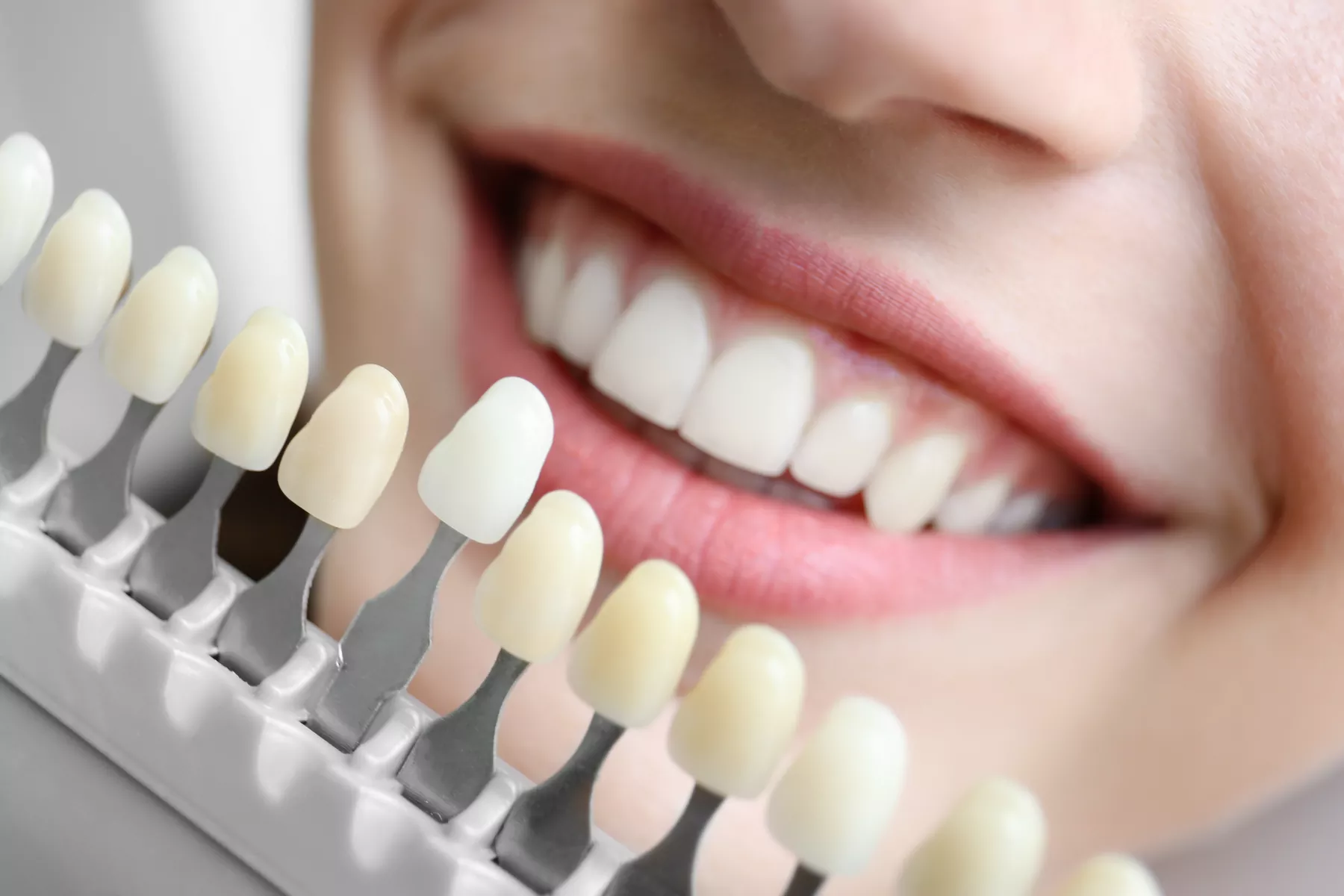
So, let’s paint the picture: You’ve got a few missing teeth, and you are wondering about all these cosmetic procedures you read about online. It’s normal for you to wonder and search for answers for such questions as “Can you get veneers with missing teeth? Well, you’re definitely not alone, and you’re in luck, too.
The simple rule is to replace the missing tooth first, because veneers are there to enhance the look of existing teeth, not replace them. They bond to the front of existing teeth to tidy up the colour and shape, so there’s not much point unless you’ve already got a gap filled.
Why dental veneers don’t address missing teeth
Dental Veneers are placed on top of your existing teeth to improve their appearance.
Veneers are basically thin shells that stick to the front of a tooth, so they need some tooth structure to hang onto. If there’s no tooth surface for them to stick to, then you can’t stick a veneer on.
What veneers can do is help the surrounding teeth all look the same after the gap has been filled. So if you’ve got a missing tooth, get it filled up first, and then veneers can help you match the look of the rest of your teeth.
Which gap you’ve got makes a difference to the plan
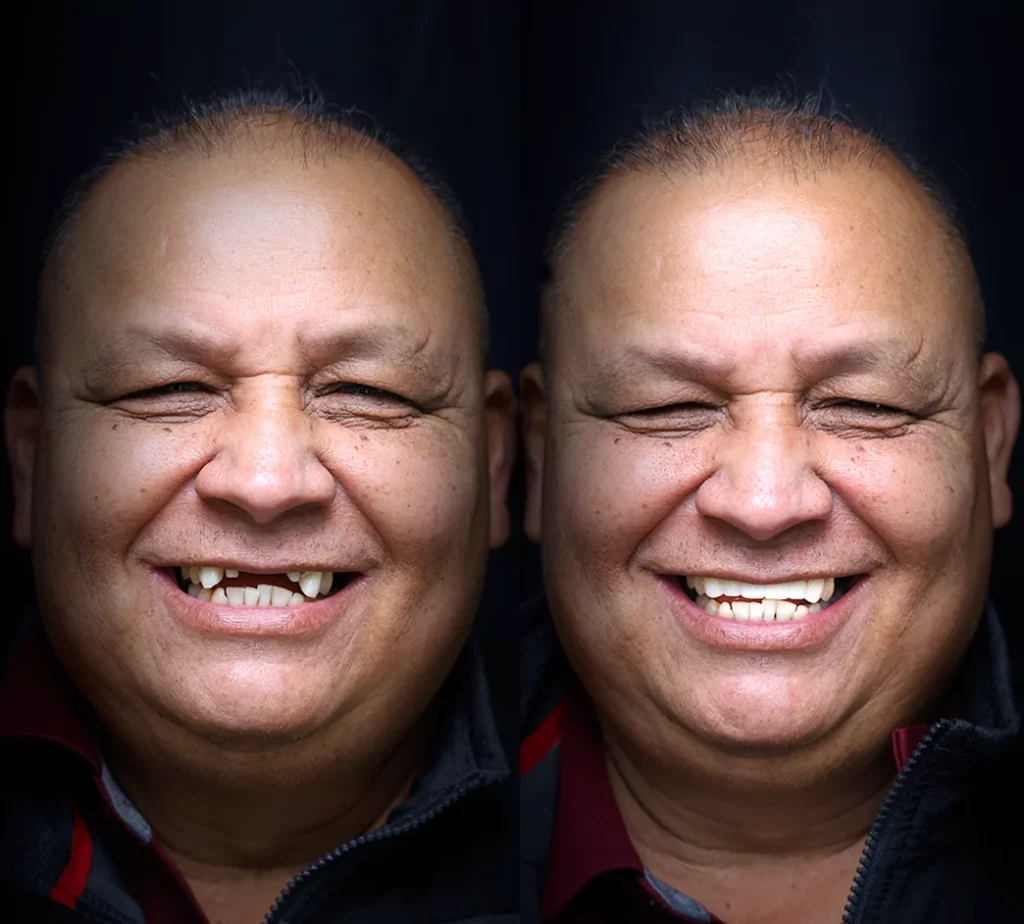
Before you start thinking about any cosmetic work, you need to think about where the gap is, how many teeth are missing, and whether the surrounding teeth and gums are in okay shape.
Missing one front tooth
Fill in the tooth first, and then think about veneers to get all your visible teeth looking nice and consistent. In some cases, a light-weight resin-bonded bridge can be a good option, but it depends on the strength of your bite and the state of the adjacent tooth next to it.
Missing a back tooth
Function comes first here because dental veneers won’t help with chewing or stability at all. Fill in the tooth with something that will do the job, then come back to veneers if you still want to refine the look.
Missing multiple teeth
Veneers are not usually the first thing to think about if several teeth are missing. Get your chewing sorted out with dental implants or partial dentures (artificial teeth) first, and then you can consider the dental veneers to sort out the colour and edges on any visible natural teeth that are still showing.
What actually replaces a missing tooth
Dental implant plus dental crown
This will replace the root and the visible part of the tooth, all without relying on the other teeth for support. If veneers are part of the plan, the dentist will make sure the crown and veneers match up in colour.
Dental bridge
This is another option where the missing tooth is replaced with a new one supported by the teeth next to the gap, or if you prefer, by dental implants. Some bridges will need crowns on the supporting teeth, while others can be more low-key.
Bridges can be a good option if a dental implant isn’t an option, or if you’re on a tight schedule and need something more straightforward.
Removable partial or “flipper.”
This is a short-term solution that can be helpful if you’re just waiting for a more permanent fix, or if you need to travel and can’t have any invasive work.
Combining Veneers with Other Dental Procedures
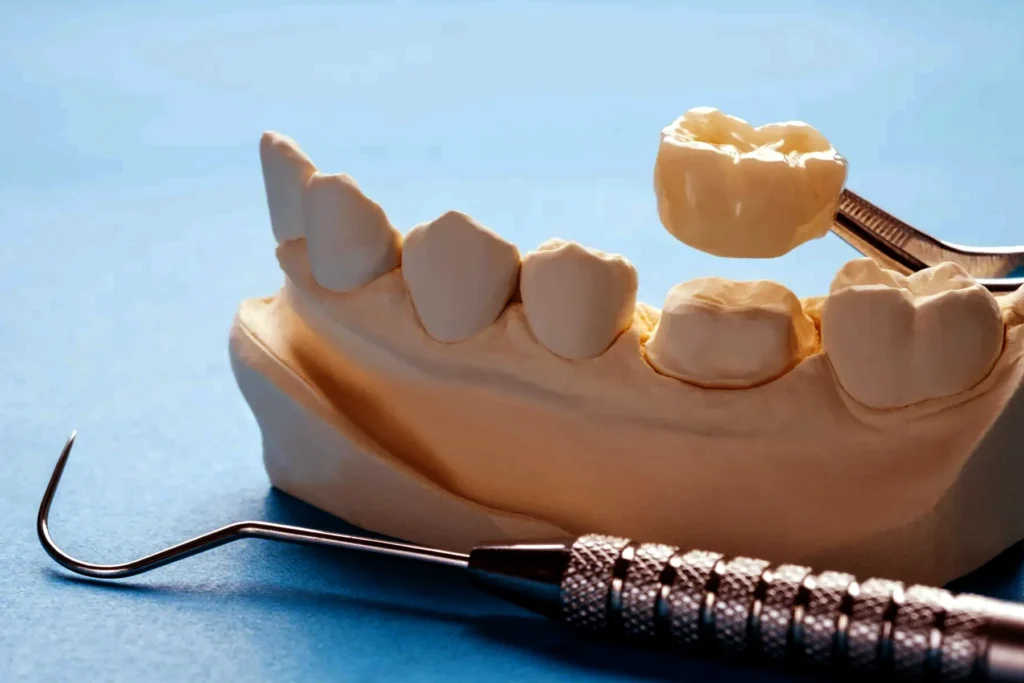
Once the missing tooth is filled in, veneers can be the polish job: they can brighten up colour, tidy up shape, and smooth out chips and uneven edges on the teeth that show when you smile.
If your other teeth are already looking pretty good, you might only need the replacement tooth to match the rest of your enamel rather than getting veneers.
Planning veneers next to a crown or bridge
The “natural” look is all about matching, not just choosing the right porcelain. Ask your dentist how they choose the shade and how the lab is guided to get the right look for the replacement tooth and veneers.
The easiest way to avoid a mismatch is to set the shade goal first. Many dentists recommend whitening your natural teeth before finalising the porcelain work, because crowns and veneers won’t respond to bleaching.
In cases where you’ve got a mix of different things going on, the team might do a dry run and use reference photos so the lab can get the same translucency and texture across different pieces.
Candidacy basics
Veneers won’t fix active decay or gum disease, so you’ll need to get that sorted out first. With missing teeth, it’s all about sequencing; you want to be sure your chewing is sorted out before you start thinking about cosmetic work.
Your dentist will want to take a look at the bone and gum levels around the missing-tooth site, because that can affect whether a dental implant is an option, and how the final restoration will sit at the gumline. They’ll also check the space and bite situation, and whether any of the other teeth have big fillings or cracks.
If you’ve been grinding or clenching your teeth a lot, that can affect what your dentist recommends in terms of material and night guard use. A good plan will sort out the gap first, check everything out, and confirm you’re comfortable, then finalise the veneers.
If a tooth has been missing for ages, the teeth next to it can start to shift into the gap, or the opposing tooth can start to over-erupt. In those cases, the dentist might recommend some minor orthodontic work to get everything fitting comfortably again.
Porcelain vs composite veneers
Porcelain veneers are made in a lab and are pretty good at resisting stains. And usually that means you’ll need to come in for at least a couple of visits. The upside is they tend to keep their gloss and color looking good for a long time if you take good care of them. Porcelain is also pretty good at resisting stains.
Composite resin veneers, on the other hand, are done right in the dentist’s chair, which can be a bit faster. Another good thing about them is they’re easier to repair, but the downside is they can stain or wear out a bit faster, depending on how well you take care of them, and what kind of bite forces you have. Composite veneers are indeed a possible faster option.
How many visits does this take for travelers? What am I in for?
For porcelain veneers, that’s usually a two-visit process, but it can be a bit different if you’re missing a tooth. A bridge is a bit different; it typically involves some prep, waiting for a temporary fix, and finally the placement of the permanent one. Dental implants, on the other hand, are a staged process, and it’s going to take some time for healing. Missing a tooth really does change the timeline.
The simplest way to think about this is:
- Replace missing teeth
- Make sure everything feels and looks right
- Finalize the dental veneers so everything matches up nicely.
How Dental Algodones can make it all easier
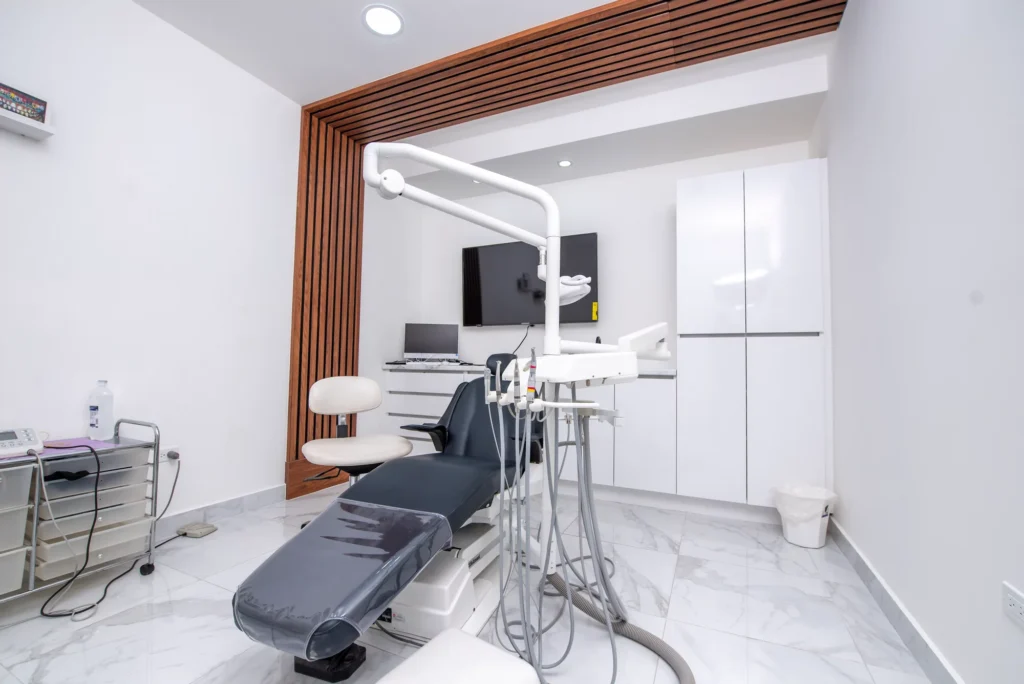
If you’re getting veneers and you have one or even if you have multiple missing teeth, our team of qualified cosmetic dentists at Dental Algodones can help you figure out the order of things before you even get here: replacing the missing teeth, then we’ll explain how dental veneers fit in, and how many visits you can realistically expect. If you’re coming from the U.S. or Canada, we can even follow up with you virtually to check on how your healing is going. If you need to make any adjustments, you can just come back to our office for free. Feel free to ask us anything about check-ins, temporary fixes, and timelines at your initial consultation.
We can also help out with shuttle transportation to our office and even help you book a hotel room at one of our local partners starting at $80 a night.
Get started with a Free Virtual Diagnostic.
Just send over some photos of your smile, note where your teeth are missing, and if you have any recent X-rays, throw those in too. The team can help you figure out what your options are and what needs to happen before veneers are even on the table.
Frequently Asked Questions
Can veneers close the space if a tooth is missing?
Not by themselves, no. Usually, you’ll need to replace that tooth with an implant, a bridge, or a removable option first.
Can veneers and an implant be planned together?
Yeah, you can totally plan them together, and that makes everything match up a lot better. It’s all about sequencing and getting the shades right.
What if I just want something temporary while I decide?
A removable partial or flipper might be a good temporary option, but be sure to ask about how safe it is for your bite and what it might do to the space.
Get Your Free Quote
If you’re thinking about veneers but you’re missing one or more teeth, the smartest thing you can do is get a plan in place, not just a guess. A written plan from one of our cosmetic dentists will help you budget your time and travel, and also avoid any surprises when getting your new, natural-looking smile.
At Dental Algodones, we can help you figure out what you need through a free virtual diagnostic, explain what your options are, and even help you plan your visits and all the logistics. Get your free quote, or ask about travel support, shuttle coordination, and pricing for a veneers plus tooth-replacement sequence.