You’ve finally got your root canal treatment done, and now you’re wondering what happens next: that numb feeling, the weird bite thing, and the tenderness when you try to chew. Root canal recovery is usually pretty straightforward, but it helps to know what’s normal and what might need a little checking with your dentist.
This guide walks you through a realistic timeline, some simple aftercare habits, and a few clear red flags to give you a rough idea of how long your recovery might take.
Root Canal Healing Process Timeline (Day by Day)
You may feel some initial discomfort and numbness for a few hours due to the local anesthesia, then, once the anesthesia wears off, you’ll feel some mild soreness or sensitivity for the first few days due to the removal of the infected pulp from the damaged tooth. Most people start feeling a lot better as the week goes on and heal properly after a few weeks. It is extremely important to continue with lifelong good oral hygiene habits.
First 2 to 6 Hours (Avoid chewing While You’re Still Numb)
Your mouth can feel really heavy or clumsy while the anesthetic is wearing off, and that’s when accidents like biting the surrounding tissues of your cheek or lip start to happen. It’s normal, just a bit annoying.
Wait until you can feel your lips again before trying to eat. If you’re hungry, eating soft food is essential so you don’t hurt yourself without even noticing.
Managing Pain After the first 6 to 8 hours.
Mild pain or tenderness after any dental procedure is normal for a few days. Over-the-counter pain medication like ibuprofen or acetaminophen usually provides sufficient relief after a root canal, along with some cold compresses. However, if you experience severe pain in the affected tooth that’s worsening, not improving, or significant swelling, or you feel pretty unwell, give your dentist a call.
First 24 Hours
Here’s the thing: day one is usually a bit sore. The treated tooth’s nerve tissue has been treated, but the area around the tooth is still a bit irritated.
To be honest, that bite feeling is what usually trips people up. If the tooth feels like it’s catching first, that alone can make it tender.
What you want to see is manageable discomfort that starts to get better over time. That usually means the area is settling down the way it should.
Days 2 to 3, Getting Follow-up care if necessary.
This is often when things start to turn. Many people still feel tenderness when biting, but it should start to go down rather than up.
If it hurts mostly when you chew or tap the tooth, a bit of an uneven bite can be part of the story. A quick trip back to the dentist to get your bite adjusted can make a big difference, so don’t just put up with it if chewing is feeling off.
Days 4 to 7 (and Beyond)
By the end of the week, most people are back to their normal routine. You might still notice a bit of light sensitivity or a “bruised” feeling, especially if the tooth was in a pretty bad state before treatment, but the direction should be improvement.
What Helps Optimal Healing the Most (and What Usually Slows Healing Down)
Eating soft foods during recovery helps protect the treated tooth and makes eating more comfortable, and if you experience severe pain or swelling after a root canal, you should contact your dentist immediately.
Eating and Drinking
Stick with soft foods for day one or two for a speedy recovery process, especially if the treated tooth has a temporary filling or crown. Think about eggs, yogurt, mashed potatoes, oatmeal, soups that aren’t too hot, and pasta.
Avoid crunchy, sticky, or hard foods on that side, at least for a bit. And yeah, hold off on chewing gum for now.
Brushing and Flossing
Unless your dentist told you otherwise, you can usually brush the same day. Just be gentle around the affected tooth and the gumline.
Flossing is still important, but slow down near a temporary restoration. If the floss catches, try to slide it out sideways instead of snapping it straight up.
Going back to Normal Activities, Alcohol, and Smoking
Most patients can return to their normal activities within a few days after a root canal. Light activity is usually fine once you feel steady, but take it easy for the first 24 hours. You may resume normal activities after.
And yeah, if you smoke, this might be a good time to take a break. If you were prescribed medication, hold off on the booze unless your instructions say it’s ok.
Usual vs Unusual Symptoms After a Root Canal
Usually Normal
These are some pretty common short-term symptoms in the first few days:
- A bit of tenderness when biting for a few days
- Some sensitivity near the tooth as the area settles
- Swelling around the affected tooth is common after a root canal, but it usually diminishes within a few days.
- A temporary filling that feels a bit weird
Call Your Dentist If You Notice These Red Flags
If any of these show up, get in touch the same day:
- Severe pain or pressure that lasts more than a few days
- Swelling that gets worse, spreads, or feels hot and tight
- A fever, chills, or feeling really unwell
- Bad taste, some drainage, or a pimple-like bump on the gums are signs of a tooth infection
- Your bite feels really off, and chewing is a struggle
- That temporary filling or crown comes out
Traveling After a Root Canal Procedure (Especially if You’re Heading Home)
If your root canal is part of a short trip, recovery is all about getting the timing and protection just right. Most people can travel soon after treatment, but you really want to avoid chewing while you’re still numb and protect that temporary filling or crown from getting knocked.
Can you drive or fly after a root canal treatment?
Driving is usually fine once that numbness wears off and you feel like you’re on steady ground. If you did have sedation, though, follow the dentist’s aftercare instructions, get a friend or family member to drive for you instead until the doctors give you the go-ahead.
Flying is often okay too, but just plan a nice, easy travel day with water, simple meals, and not too much of a challenge for your mouth.
Cold Compresses, Travel toothbrush… Managing discomfort on the road
Grab a few things that’ll make travel a bit easier:
- Soft snacks and plenty of water
- A cold pack to reduce swelling in case you need it
- A travel toothbrush
- The clinic’s phone number and all the aftercare notes, so you’ve got everything on hand.
If the discomfort is getting better, just be gentle and protect that tooth during the recovery period, but if it’s actually getting worse, give your dentist a call and get some advice. If your temporary filling or crown feels loose or comes out, just steer clear of sticky foods for now and get in touch right away.
Do you need a crown placement after a root canal procedure?

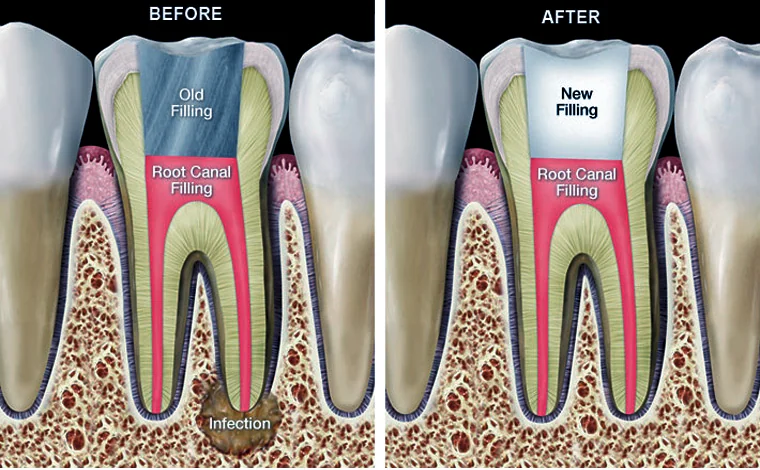
The root canal treatment takes care of what’s going on inside the tooth, but a permanent crown (or onlay), that protects the bit on the outside so you can start chewing normally again without too much worry.
Some teeth will just be fine with a bonded filling, but lots of teeth are going to need a protective restoration, and that’s especially true for back teeth where there’s a lot of chewing force involved.
When a crown is usually recommended
Permanent crowns are often recommended for teeth like molars and premolars, the ones with big fillings, or teeth that have had some serious decay or cracks. Your dentist will explain the reason why in your case.
What happens if you delay your follow-up appointments and final restoration?
Delaying things can raise the risk of a cracked or infected tooth, a worn-out temporary, or leakage around the edges. If you’re traveling, just ask them to give you a clear follow-up appointment before you head home.
How Dental Algodones supports smoother recovery and planning for your root canal
At Dental Algodones, we’re a family-owned and operated clinic with a really clear process for helping travelers: we’ve got bilingual communication, straightforward pricing, and on-the-spot aftercare that starts before you even arrive.
Care planning before you arrive
We do a Free Virtual Diagnostic so you can share what’s going on with your symptoms and any recent scans, then get a better idea of what your options are and what’s going on in a lot less time.
Standards that protect your Dental Health
At Dental Algodones, we use the very best equipment and materials and document everything so you’ve got all the information you need for informed consent.
Logistics support that makes a big difference to travelers
At DA, we can help out with shuttle and border logistics and even sort out accommodation for you, so your schedule stays calm while you’re recovering.
Get Your Free Quote
If you’re thinking about a root canal in Los Algodones, here at DA, we can review your case and help you plan around your travel. Just get your free quote and ask about pricing and shuttle support.