If you’ve ever done a quick Google search and ended up with a whole bunch of tabs open, typing “how does Invisalign work”, then we’ve got you covered. Those teeth straightening clear plastic trays can seem almost too simple: no wires, thin trays, and over time, your teeth start to line up just right. Well, Invisalign works because the treatment plan is broken down into lots of tiny, manageable steps, and because you wear those aligners pretty consistently.
If you’re researching dental tourism in Mexico, you’ll probably end up looking at Dental Algodones. A lot of patients start out with our free virtual photo review before they come in for a quick in-person scan visit.
So, what are Invisalign Aligners?
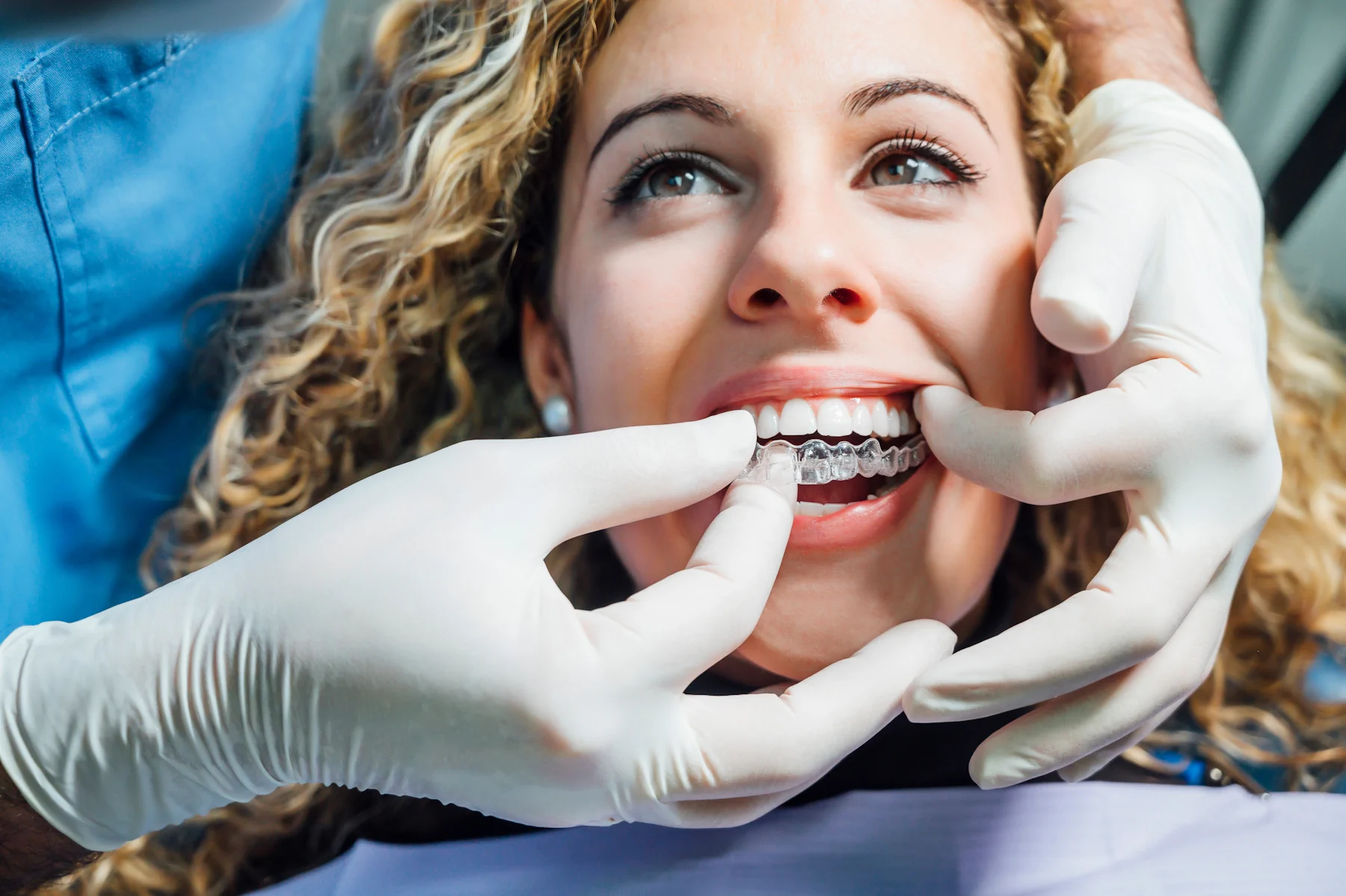
Invisalign is an orthodontic treatment that straightens teeth by using a series of clear, removable aligners. Each one is a tiny bit different from the last, so it helps guide your teeth through a series of small, controlled movements. One tray on its own isn’t going to do much, but putting them all together can really make a difference in terms of spacing, crowding, and a whole range of bite problems.
A reality check: Invisalign as an orthodontic treatment is usually best for mild to moderate cases. More complicated cases might still be doable, but sometimes traditional braces are the better tool for getting the straight teeth you need. Either way, before you commit, you should expect to have a proper exam, some imaging work, and a clear treatment plan.
How Invisalign’s Clear Aligners work in 5 easy steps
- You get an exam and some records taken: some photos, a bite check, and a 3D scan.
- Your provider makes a digital plan: breaking down tooth movements into simple, clear steps.
- First fitting: you try on your first set of aligners and get started
- Wear + changes: 20, 22 hours a day, swap trays on schedule
- Retainers: after the final tray, you lock in the results so they don’t start to drift back
If you want to know what’s going on behind those steps, it’s this: your records show what you can safely move, the digital plan takes that and breaks it down into manageable movements, any attachments that are needed can be added to help the trays grip and guide tougher movements, and how often you wear them is what gets the results.
The science behind Invisalign Custom Aligners
Invisalign works through simple biology, rather than trying to force the teeth into place. When the aligners apply pressure, the tissues around each tooth start to respond with a bit of gentle force and some remodeling. The periodontal ligament, basically the thin cushion between tooth and bone, starts to compress on one side and stretch on the other. Over time, your body starts to remodel the surrounding bone so the tooth can settle into its new position.
That slow pace is actually a feature. Making small movements is safer and more predictable, and that’s why wear time matters: if you leave the trays out for too long, the teeth can kinda rebound, and the next set of aligners may feel tight or even refuse to seat properly.
What the Invisalign trays are actually made to do
The Invisalign aligners are made from Align Technology’s special SmartTrack material. This is designed to fit snugly and deliver a consistent force. The useful takeaway here is that the material and the shape are actually engineered to guide movement, not just kind of “hold” the teeth in place.
The Invisalign treatment, from start to finish
Most Invisalign journeys follow the same basic outline: records, plan, aligners, check-ins, and retention. The details will change depending on your individual case, but the general structure stays the same.
Consultation + records
Your provider is going to check that you’re a good candidate and go through some basics to make sure the treatment will be successful, like checking for gum inflammation, untreated cavities, and any bite patterns that might need a bit more work. A virtual photo review can be a helpful screening tool, but it’s not a diagnosis.
3D scan + digital plan
At DA, we actually use an intraoral 3D scan instead of impressions. That scan is then used as a blueprint to make a digital plan. Using Invisalign’s planning system, which is often called ClinCheck digital planning, your provider stages movements, estimates how many aligners you’ll need, and flags any add-ons that might be needed, like attachments, elastics, or IPR. This is where you should get a pretty realistic idea of what to expect in terms of timeline and what could potentially slow things down, like needing some refinement aligners near the end.
First fitting day (attachments, IPR, and what that feels like)
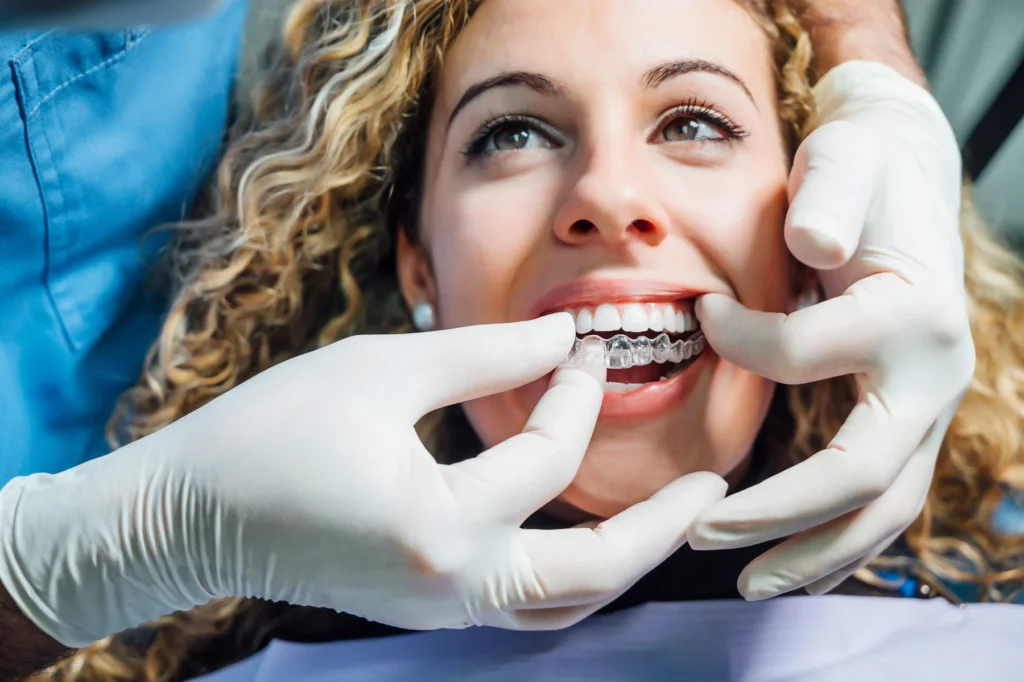
On fitting day, you try on your first set of aligners and confirm they’re sitting right. Depending on your case, you might also have some attachments and/or IPR.
- Attachments: tiny little bumps that are bonded to certain teeth to help the tray grip and guide harder movements
- IPR: interproximal reduction, basically a gentle polishing between teeth to create some space or improve the way the trays track.
Mild pressure and soreness when you swap to a new tray are pretty common. Any sharp pain needs to be checked out, especially if you’ve got bleeding gums or if the aligners just won’t seat properly.
What makes the Invisalign process work from day to day?
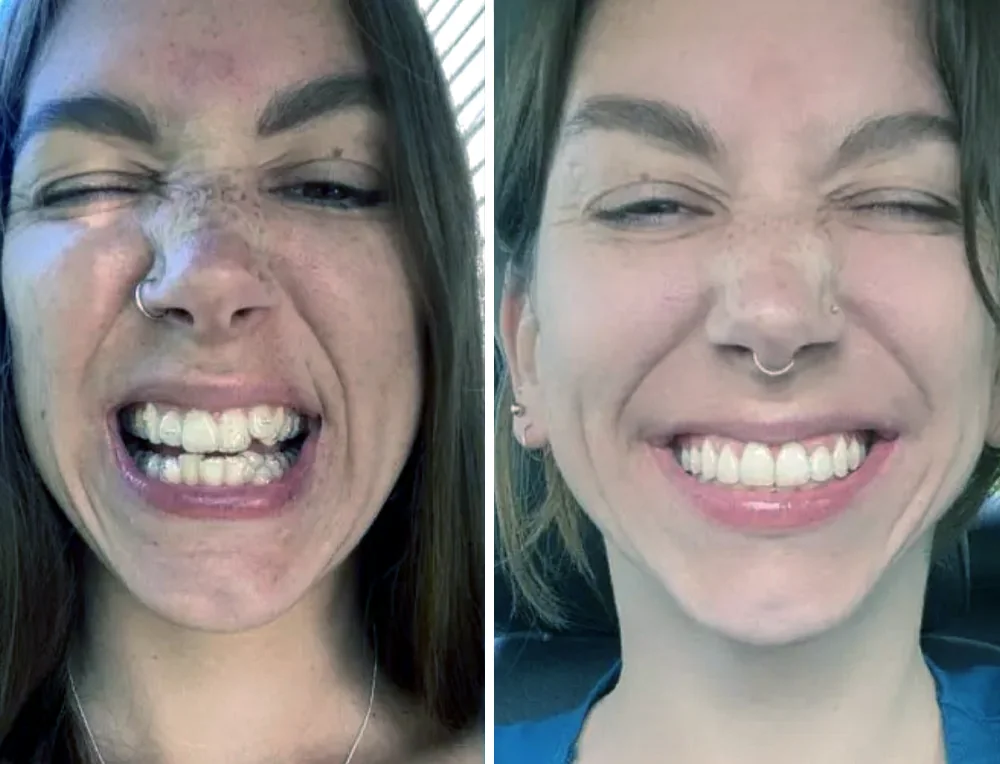
The plan only works if you stick to the wear schedule. Plans most people recommend are to wear aligners for 20 to 22 hours a day, taking them out when you eat, have a hot drink, or have time to brush your teeth. You’ll probably need to change trays every week or so, depending on the prescription you get.
Sticking to this routine gets a lot easier if you can build it into your day in a way that feels natural. Here are ways to do that:
- Make wear time non-negotiable, don’t even think about missing it
- Brush before reinserting your aligners, and clean your teeth before you put them back in
- Clean with cool water. If you heat your trays, they’ll warp
- Use a case every time; it’s simple to forget, but it really helps
- If your tracking looks off, speak up early, don’t let a problem develop
“Tracking” is the term for how well your aligner fits on your teeth. Aim for it to sit right against your teeth, especially along the edges. A small gap might happen early on, but a gap that persists and gets bigger is a sign to check in with your dentist. They may be able to give you a “chewie” (a sort of bite aid) or a small adjustment to get the plan back on track.
Also, don’t force that aligner in if it won’t seat properly. If you do miss wear time, try going back to the previous aligner for a bit or see what your provider recommends. Forcing can actually ruin the fit and irritate your gums.
If you’re a cross-border patient, some check-ins may be spaced out, with virtual check-ins when they make sense for your treatment. Your provider should be making that call, not just you trying to make something work.
Invisalign requires a Customized Treatment Plan: Who’s a good candidate?
Invisalign is a good fit if you’ve got mild to moderate crowding, small gaps, or bite issues that can be sorted out with staged movements, and you’re able to stick to your wear schedule.
If you’ve got more complicated bite problems, really misaligned teeth, or teeth that are hard to control, then you might be better off with braces or a hybrid treatment. Those more complex cases can really benefit from having a fixed system that can provide consistent pressure. And the only way to know for sure is to have an exam with some imaging and a proper bite analysis.
A good mindset to have is that the best tool for the job is… the best tool for the job. Try not to apply that to just one system that’s going to work for everyone. When you take that approach, you get recommendations that make sense.
Invisalign vs metal braces vs mail in aligners
Invisalign is a convenient treatment because you get to take the trays out when you eat and brush, but convenience only works if you stay on track. If you do start to slip on your wear time, then your results will suffer.
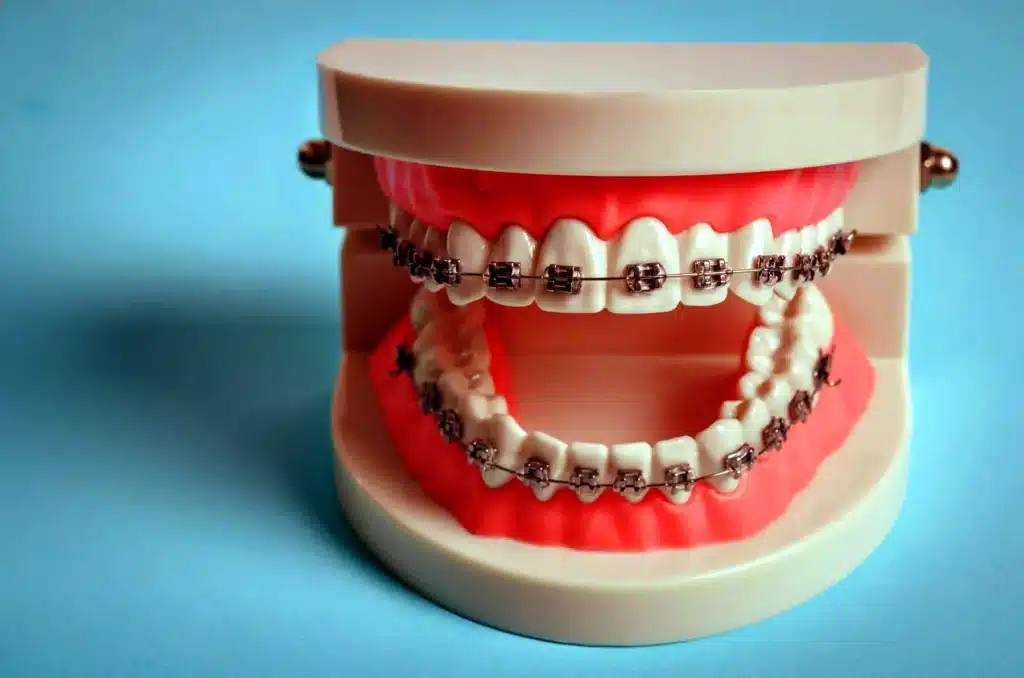
Traditional metal braces are a different story; you give up some convenience, but they do offer a steady, constant, gentle pressure that can be exactly what a complex case needs. The system is fixed in place, so you know exactly what’s happening.
Mail-in aligners might look similar, but there’s a key difference: with us, you get actual clinical oversight & diagnostics to make sure your teeth are safe to move before they get shifted. Diagnostics really matter here; tooth movement is tied to a bunch of factors like gum health, bone levels, and bite function.
Planning Invisalign with us from Los Algodones (for US and Canada patients)
Los Algodones & Cancun are two destinations our US & Canada patients choose when getting dental work in Mexico, but for different reasons. However, Los Algodones is built for convenience; literally, you can walk in and sort out your treatment process without all the hassle.
If you decide you’re getting Invisalign with Dental Algodones, the usual first step is a Free Virtual Diagnostic: we look through photos and goals there. Then we get you in for in-person records, a 3D scan, bite evaluation, and any imaging your qualified dental professional recommends. You’ll get clarity on follow-ups from us as well, as some treatments may require check-ins with attachments or refinements.
The town itself is really walkable, so you can pop between appointments and do a bit of shopping or grab a bite. It’s not about the treatment, it’s about making your day easier.
At Dental Algodones, we also have bilingual staff, which is quite important for our international patients, even more than they might think, since they’ll be signed up for months of treatment.
Cost and value (what affects Invisalign costs)
Invisalign costs depend on how complex your case is, how many trays you need, and if you think you’ll need any refinements down the line. If you’re comparing us to other places elsewhere, then you’ll want to look at the bottom line, how much you save, and what kind of care you get.
If you choose to come to Dental Algodones, you can get the same dental care that you would at home, but just at a lower cost. When you are making an apples-to-apples comparison, make sure to ask us about refinements, retainers, and follow-ups. You want to know what’s happening next and get a clear estimate of what your out-of-pocket expenses will likely be.
What to ask your provider
Before you start Invisalign, it’s completely normal to ask a few questions up front. This is oral health care, after all, and getting your head around things should be priority number one.
- What diagnostic tests are you going to use to get a good picture of my teeth before you even think about treatment (we’re talking 3D scans, X-rays, a bite evaluation, the works)?
- Who is actually overseeing my case from day to day? What’s their experience, and what makes them qualified to do this?
- How often do I get to check in and see how things are going, and what constitutes an “emergency” if I do have a problem while I’m in treatment?
- What’s the plan if things start to go off the rails (we’re talking attachments, refinements, or maybe even a complete change of direction)?
- What am I actually getting for my hard-earned cash: what’s included in that initial estimate, and what might add extra costs along the way?
- And finally, what’s the plan for looking after my teeth once the aligners are gone? How long will I need to wear retainers, and how do I keep on top of things?
Frequently Asked Questions
How long does Invisalign take?
It really depends on how complicated my teeth are and how well you stick to the plan; in other words, don’t expect a one-size-fits-all answer. Your scan and treatment plan should at least give you a rough idea of what to expect.
Does Invisalign hurt?
Some people do get a bit of pressure or soreness, especially when they first start switching trays, but that’s not necessarily a bad thing. If, however, you do experience sharp pain, gum bleeding, or if your aligners just won’t seat properly, then that’s when you should be getting in touch.
How often do you change Invisalign trays?
The good news is that most people switch aligners every week or two, but the actual schedule is going to be based on my specific treatment plan. So, your best bet is to follow the guidance of my provider.
Will I need attachments or IPR?
Not everyone needs to use attachments or IPR, but they can be really helpful in making sure my treatment works properly, especially if they’ve got some tricky teeth to deal with. In other words, they’re not a given, but they can be a useful tool in the right circumstances.
What if I lose an aligner while I’m traveling?
If you do lose an aligner while you’re out and about, don’t panic: just give your provider a call and ask what to do next. We’ll likely advise you to go back to my old tray, move on to the next one, or maybe even replace the lost aligner altogether, but the important thing is to get our advice, because we’ve got the bigger picture.
DA helps you with your dental issues. Get a free virtual diagnostic now!
If you’re considering clear aligners and want to get a realistic idea of what you can expect from Invisalign, then you should definitely start with us, Dental Algodones. We offer a Free Virtual Diagnostic, which you can use to share your goals and ask about all the logistics of cross-border scheduling, our shuttle support, and any follow-up appointments you might need.