

If you are searching for the cheapest countries for dental work, you are probably not doing it for fun. Most people arrive at that phrase after seeing a treatment plan at home that feels impossible to afford. Dental implants, All-on-4, crowns, and full smile makeovers can quickly climb into five-figure territory in the United States and Canada, especially when insurance coverage is limited. The financial burden can really take a bite out of your budget, making dental care feel out of reach for many.
Millions of patients each year participate in the growing medical tourism industry, seeking quality dental care in certain countries that offer significant cost savings. Dental tourism has experienced significant growth due to rising costs of dental procedures in developed nations and increased availability of quality dental care abroad. By choosing the right country, patients can bank on saving thousands of dollars while still receiving excellent care. When choosing a destination, it’s important to consider the overall growth of dental tourism and focus on quality dental care, not just price.
It’s crucial to match your destination to your specific dental needs, such as the type of procedure, quality standards, and available healthcare infrastructure. Many people travel to Mexico, Turkey, Hungary, Thailand, Costa Rica, and other destinations to save a large percentage on the same types of high quality dental treatments, including cosmetic and restorative procedures. Specially since international clinics often use high-end materials and the latest technology similar to those found in Western countries, ensuring high standards.
Why More Patients Search Abroad for the “Cheapest” Dental Work
Dental care in the United States and Canada has a reputation that is both high-quality and expensive. On one hand, patients often trust the level of training, regulation, and technology. On the other hand, many do not have insurance that covers complex or cosmetic procedures, or they face tight annual limits and significant deductibles.
That is where the search for the cheapest place for dental work begins for many people. They are not usually chasing a bargain for a small filling; they are trying to unlock treatment plans that include affordable dental implants, All-on-4 solutions, multiple crowns and veneers, or full mouth restorations. When those plans are priced locally, the numbers can be so high that patients delay or abandon care altogether. The affordability of dental procedures abroad is driven by lower labor costs, competitive markets, and the availability of high-quality materials and technology.
Dental tourism offers another path by expanding your treatment options beyond your home country. Patients can often save a significant fraction, between 50% to 70%, on dental procedures abroad compared to prices in North America or Western Europe. The difference comes from multiple factors, including cost of living, clinic structure, and different insurance systems.
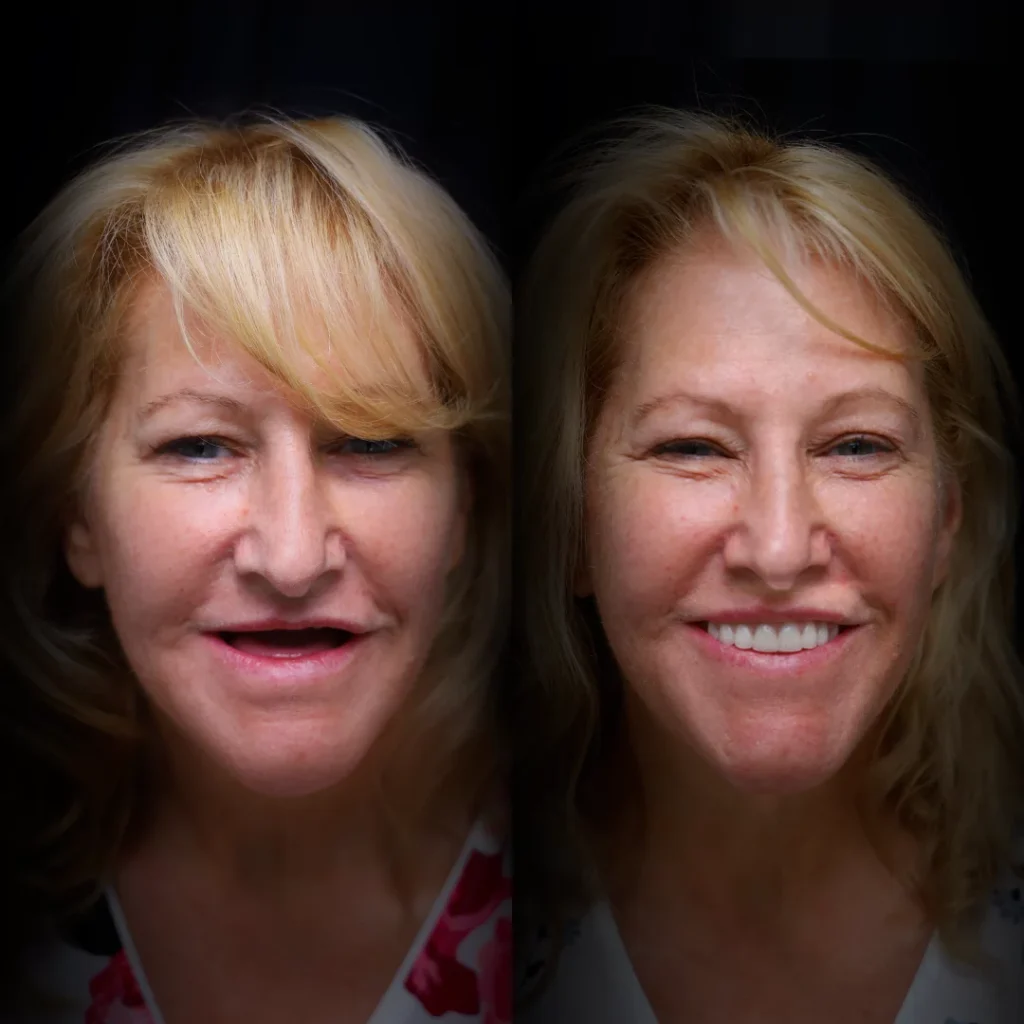
When considering dental tourism, it is important to look at the qualifications of dentists, including their education, certifications, and professional credentials, to ensure safe and effective care. International patients should also consider the results achieved by clinics in different countries, such as before-and-after photos and patient satisfaction with cosmetic and restorative dental treatments.
Are the Cheapest Countries for Dental Work Always the Best Choice?
It helps to be honest here, because a rock-bottom price means nothing if it comes with unclear communication, rushed appointments, or low-quality materials. It also loses its shine if you have to take extra days off work, pay for extremely long flights, or struggle to return for follow-up visits. There is a difference between “cheap at first glance” and “affordable in real life.”
When you compare countries for dental treatments abroad, it is useful to think about three pillars: cost, safety, practicality. Cost includes both the treatment itself and the travel around it. Safety covers the experience of the dentist, standards in the dental clinic abroad, proper safety protocols and the quality of materials and lab work, while practicality includes how quickly you can get there, how comfortable the trip feels, and how realistic it is to come back if your treatment requires more than one stage.
If a destination looks attractive on price but fails the safety or practicality test, it may not be the “cheap” option you hoped for. Before making a decision, seek detailed information about clinics and their credentials to ensure a safe and successful experience.
Top Affordable Countries for Dental Work (Quick Overview)
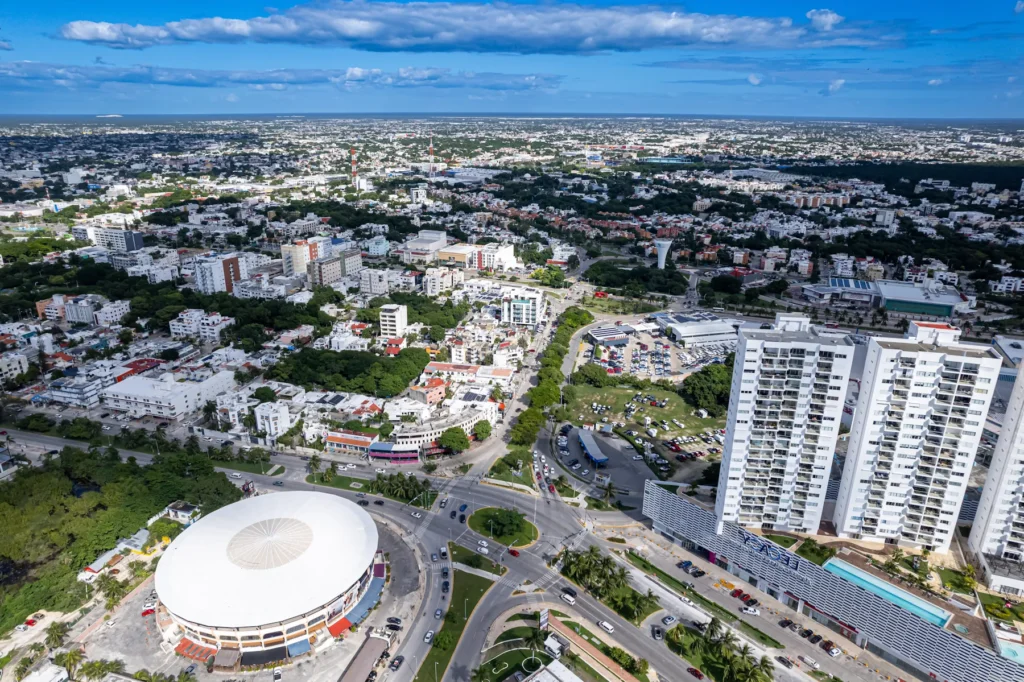
Lists of the cheapest places for dental treatments tend to repeat the same destinations. Considering high quality dental treatments abroad is increasingly important, as many countries now offer safe, high-quality care at a fraction of the cost found in Western nations.
Countries like Mexico, Turkey, India, Thailand, Poland, and Hungary offer significant savings on dental work due to lower living costs. Favorable currency exchange rates also make dental services significantly cheaper for international patients.
Each of these countries can offer significant savings on dental procedures compared with the United States and Canada, although they differ in travel time, tourism style, and how convenient they are for follow-up. Seeing the big picture first makes later comparisons easier.
Mexico
Mexico is one of the most popular countries for dental tourism among U.S. and Canadian patients. It offers high savings on dental implants, crowns, veneers, and full mouth restorations, combined with short flights and even drive-up border crossings. Key hubs include border towns like Los Algodones and Tijuana, coastal cities such as Cancun, and large urban centers like Mexico City.
Turkey

Turkey is widely promoted as a destination for international patients looking for dental implants, veneers and cosmetic dentistry. Turkey is especially popular among patients from Middle Eastern countries seeking affordable and high-quality dental care.
Dental implants in Turkey range from $400 to $1,000 per implant, significantly lower than in Western countries. Dental work prices are competitive, although the country is much farther from North America than from Europe. Many of the best dental clinics in Turkey and Mexico provide all-inclusive packages that simplify travel for dental work.
Hungary and Poland (Eastern Europe)
Hungary, especially Budapest, along with Poland and other Eastern European countries, has a long history of dental tourism for UK and EU patients. Hungary is often referred to as the ‘Dental Capital of Europe’ due to its dental expertise and years of experience in treating international patients. Dental clinics often highlight strong training traditions and lower prices than Western Europe.
Croatia is another popular dental tourism destination in Europe, known for its quality dental care, cost savings, and attractive locations such as Zagreb and Split for international patients. For someone living in North America, however, getting there usually involves a long transatlantic flight and at least one connection.
Thailand and Southeast Asia

Thailand is another well-known medical tourism hub in Asia. Thailand is known for affordable dental implants and cosmetic dentistry. The country attracts over 3 million medical tourists annually. Dental implants in Thailand are priced similarly to those in Turkey, ranging from $750 to $2,300 for individual implants.
Many Thai dental clinics use the latest technology and materials to deliver high-quality results for international patients. Patients from nearby regions often combine dentistry with beach vacations or city breaks in Bangkok. Treatment prices can be lower than at home, and many reputable dental clinics are geared toward international visitors, but distance is a major factor for North Americans.
Costa Rica and Other Latin American Neighbors
Costa Rica, Colombia, and the Dominican Republic also appear on many lists of affordable dental destinations.
Costa Rica is known for its high healthcare standards and affordable dental services, making it a top choice for dental tourists. The Dominican Republic offers high-quality dental services at competitive prices, especially for North Americans seeking cost-effective care. These countries provide a significant discount on dental procedures compared to the U.S. and Canada.
They offer a mix of nature tourism, beaches, and city life, along with savings on dental implants and cosmetic work. Many people are surprised to learn about affordable dental care options in countries like Spain, which are often overlooked despite their excellent value. Travel times from the United States and Canada are shorter than to Europe or Asia, though daily tourism costs and infrastructure can vary by country and region.
Comparing the Cheapest Countries for U.S. and Canadian Patients
Once you narrow the list to serious options, the next step is to ask which countries actually work well for people living in North America.
At this stage, distance, time zones, language, and follow-up logistics begin to play a big role. Travel expenses are also a key factor in choosing dental tourism destinations, as they can significantly impact the overall affordability and appeal of seeking dental care abroad.
Additionally, government support through tax incentives and favorable regulations in some nations actively promotes medical tourism, making these countries even more attractive for dental work. A destination that is perfect for European patients may not be ideal for someone starting from Chicago or Vancouver.
Mexico: Near-Border Savings and Simple Travel
For many patients in the United States and Canada, Mexico is perhaps the best country for dental work. Mexico is also one of the most popular destinations for dental tourism, attracting thousands of patients each year. The first reason is simple geography; instead of crossing an ocean, you can often reach Mexican destinations in a few hours by plane or, in the case of border towns, by car and a short walk.
The country also gives you a choice of different dental tourism styles in one place. Border hubs such as Los Algodones, known as “Molar City,” and Tijuana focus heavily on dentistry and quick in-and-out trips. Coastal cities like Cancun combine dental care with a classic beach vacation, while large cities such as Mexico City and Monterrey offer an urban environment with clinics serving both local and international patients.
From a budget perspective, Mexico is known for significant savings on high-value dental treatments like dental implants, All-on-4 solutions, multiple crowns, and full smile makeovers compared with U.S. and Canadian prices. In Mexico, affordable dental implants usuarlly cost between $750 and $1,270. When you add shorter travel times, minimal time zone change, and the fact that many clinics work daily with English-speaking visitors, it becomes clear why Mexico appears at the top of so many short lists.
Turkey: Low Prices With Long-Haul Logistics
Turkey is often highlighted as the best country for dental work for EU patients seeking veneers or dental implants. Turkey is renowned for its dental clinics and is considered a top dental destination for international patients. For people coming from Europe, the flight times are manageable, and the combination of historic cities, coastal resorts, and competitive pricing is very appealing.
But for U.S. and Canadian patients, the picture is different because of long flights and large time zone shifts. That translates into more travel fatigue, more nights in hotels, and potentially more time off work. If your dental plan requires more than one visit, the logistics can become complex, which reduces the overall practicality for North Americans.
Hungary and Eastern Europe: Strong Tradition, Longer Journey

Hungary and its neighbors in Eastern Europe built their dental tourism reputation over decades. Cities like Budapest attract patients from the United Kingdom and Western Europe who want high-quality work at lower prices, and many clinics there are very experienced with international cases.
From North America, though, reaching Eastern Europe adds another layer of distance, cost, and time. You usually need at least one connection and a long transatlantic flight. Those extra hours and transfers might still be worth it if you already plan a European trip, but they reduce the appeal if your main focus is simply to find an affordable, straightforward place for dental work.
Thailand and Southeast Asia: Low Treatment Costs, Far From North America
Thailand and other Southeast Asian countries are famous for combining medical care with tropical vacations. Many patients enjoy the idea of having dental work done in a place where they can also experience beaches, markets, and city life.
If you are traveling from North America only for dental treatment, however, the very long flights and large time zone differences become a serious planning factor. They affect how you feel before and after procedures and how much time you must spend in transit. The distance also makes return visits more complicated if your treatment has several stages.
Costa Rica and Other Latin American Options
Costa Rica, Colombia, and the Dominican Republic occupy a middle ground in global comparisons. They are closer to the United States and Canada than Europe or Asia, but usually a bit farther than many parts of Mexico. Patients often choose them for the mix of nature, beaches, and city stays alongside lower dental prices.
These destinations can work well, especially for those who want to combine dentistry with vacation plans. The main things to consider are the travel distance from your home city, the daily costs in the areas you plan to stay, and how easy it is to find clinics with clear information about doctor credentials, materials, and warranties.
When Traveling for Dental Work Makes Sense (and When It Does Not)

In general, dental tourism makes the most sense when you need complex or multi-tooth treatment. That includes single or multiple dental implants, All-on-4 or other full-arch solutions, sets of crowns and veneers, full mouth restorations, and comprehensive smile makeovers. A single dental implant is a particularly common reason people seek treatment abroad, as prices can vary dramatically between countries.
For example, the cost of dental implants in the United States ranges from $3,000 to $5,000 per implant, while in Mexico, a single dental implant can cost between $750 and $1,000, making international options significantly more affordable for many patients.
And when several of these dental treatments are grouped into one plan, the potential savings from traveling to a country like Mexico can outweigh the cost of flights and hotels.
If your case is more extensive, a well-planned trip can also offer clear scheduling advantages. You can coordinate several procedures within a defined period, take time off work once, and follow a structured timeline rather than stretching treatment over many months at home. In a border destination like Los Algodones, you can often do this during a relatively short stay, then return home with a clear plan for any follow-up. Before undergoing dental treatment abroad, always ask for detailed treatment plans from your provider to ensure transparency and to fully understand the procedures involved.
If you are hoping to have insurance or government programs help cover your dental work, you may need to apply for eligibility or specific benefits, such as those available through the Affordable Care Act.
On the other hand, if you only need a small filling, a simple extraction, or urgent infection treatment, staying local is usually better. Emergencies are not ideal situations for international travel, especially when timing is critical. The same is true if your overall health makes flying difficult or if your doctor recommends minimizing travel for medical reasons.
Why Mexico Is Often the Best “Cheap Country” for North Americans
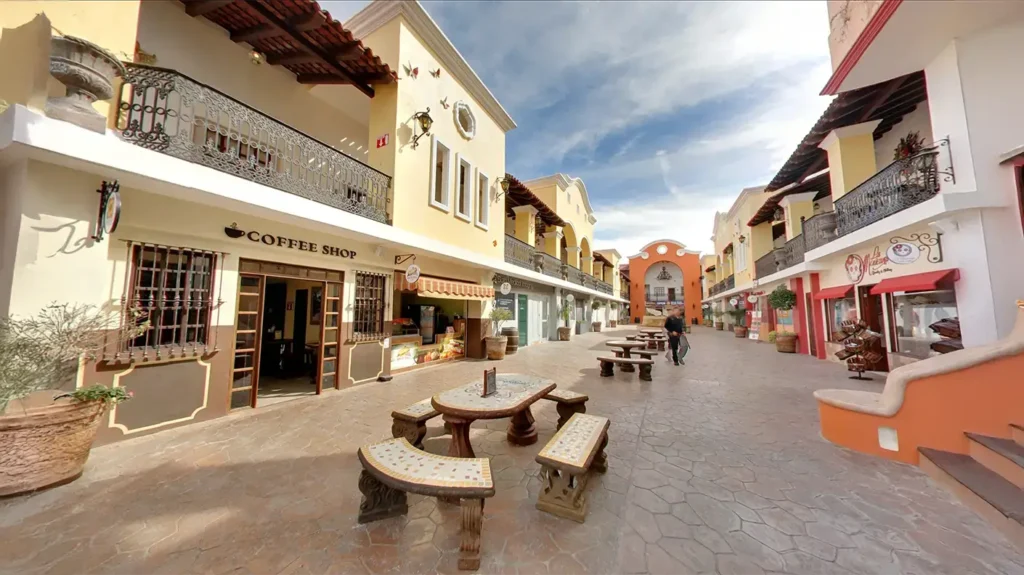
When you look at the big picture from the United States or Canada, Mexico often ends up in a different category than other options. Mexico is a top choice for dental tourism due to its extensive network, affordability, and experienced professionals, making it highly attractive to international patients. It is not just about numbers on a chart; it is about how well those numbers fit with your time, comfort, and everyday life. That combination is what sets Mexico apart for many patients.
Mexico combines several advantages that are hard to find together elsewhere. You can often save a large percentage on high quality dental treatments, yet you do not have to cross an ocean or adjust to a radically different time zone. Flights are shorter, border crossings are familiar, and in many hubs it is normal to see clinics that work almost exclusively with patients from the U.S. and Canada.
Language is another practical point that reduces stress for visitors. Many Mexican clinics serving international patients provide bilingual staff, written plans in English, and doctors who are used to explaining complex treatments to people who are new to dental tourism.
When you compare this with long-haul destinations like Turkey, Hungary, or Thailand, the contrast becomes much easier to see. Those countries can be excellent options for people who live closer to them, but for North American patients, Mexico usually offers the best balance between savings, travel effort, and the ability to return if your treatment needs more than one visit.
Mexico’s Main Dental Hubs: Los Algodones vs Cancun (and Others)
Even inside Mexico, the experience of dental tourism changes from city to city. Two destinations appear again and again in conversations with U.S. and Canadian patients: Los Algodones and Cancun.
Cancun offers a vacation-style recovery environment, and many patients choose to combine dental treatment with leisure activities in destinations like Cancun; Los Algodones offers a tightly focused, border-town experience built around efficiency and savings.
Los Algodones: “Molar City” on the U.S. Border
Los Algodones is a small town just across the border from Andrade, California, near Yuma, Arizona, and it has earned the nickname “Molar City” because of the number of dental clinics concentrated in a compact area. Los Algodones is renowned for its concentration of dental clinics and expertise, making it a top destination for dental tourism. For many months of the year, the streets are filled with visitors from the U.S. and Canada who come specifically for dental care.
One of the biggest advantages of Los Algodones is how close everything feels. Many patients park on the U.S. side, walk across the border, and within a few minutes are standing in front of their clinic, hotel, pharmacy, and small restaurants. You do not need to navigate a large unfamiliar city or spend much time in cars or taxis to get where you need to go.
Cancun: Beach-Style Dental Vacation
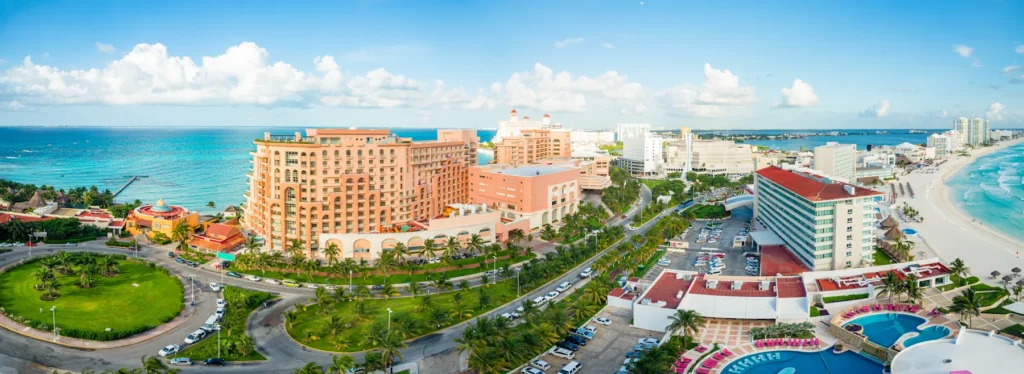
Cancun sits on the opposite end of the spectrum as a large, well-known beach destination on the Caribbean coast. It is famous for its hotel zone, nightlife, and turquoise water. Cancun is considered a top dental destination for international patients, attracting those seeking high-quality and affordable dental care. Dental tourism there often blends into traditional tourism; patients stay at resorts or boutique hotels and fit appointments into days that also include time by the pool or walks on the beach.
For some people, that is exactly what they want from a dental-plus-vacation experience. They see treatment as an opportunity to take a long-awaited trip and do not mind higher daily costs if they can enjoy resort amenities and ocean views during recovery. For others, especially those who are more budget-focused or prefer shorter trips, a place like Los Algodones might feel more practical and easier to manage.
Other Mexican Dental Hubs in Brief
Beyond Los Algodones and Cancun, Mexico has several other cities that attract dental travelers. Tijuana, near San Diego, offers a mix of border convenience and big-city life. Mexico City, Monterrey, and Guadalajara provide large urban environments with clinics that serve both locals and international visitors. In some of these larger cities, certain clinics and hospitals may have students participating in on-the-job training, offering affordable dental services under the supervision of experienced professionals.
These destinations can be a good fit for certain travelers, especially those who already feel comfortable in large cities or have friends and family nearby. Still, for many first-time dental tourists from the United States and Canada, the clarity of a town like Los Algodones, where almost everything revolves around dentistry, makes planning and moving around simpler.
How to Plan a Dental Trip to Los Algodones Step by Step
Turning the idea of cross-border dental care into a concrete plan feels less overwhelming when it is broken down. Here is a straightforward path you can follow with Dental Algodones so that each stage feels clear and manageable rather than rushed.
- Request your Free Virtual Diagnostic with Dental Algodones. Contact us, share your X-rays if available, send photos, and describe your goals or problems, indicating whether you are interested in dental implants, All-on-4, cosmetic work, or anything else.
- Review your proposed plan and cost range carefully. The clinic reviews your information and sends a preliminary treatment outline and estimated budget so you can compare traveling to Los Algodones with staying home.
- Confirm how many days you should stay in town. Based on your proposed plan, we suggest realistic arrival and departure dates, including buffer time for adjustments and follow-up appointments before you head back.
- Arrange travel, shuttle, and accommodation in advance. Decide whether you will drive to the border or fly to a nearby airport, then choose a hotel close to the clinic and arrange shuttle or local transportation if needed.
- Cross the border and meet your doctor in person. When you arrive in Los Algodones, you go to the clinic to complete any needed imaging, confirm your diagnosis, and review the final version of your treatment plan and consent documents.
- Complete your treatment and enjoy town at an easy pace. During your stay, you follow the schedule provided by your dentist while resting between visits, eating in nearby restaurants, and walking through markets within a short distance of your hotel.
- Return home with clear aftercare guidance and contacts. Before leaving, you receive written instructions on medications, hygiene, and what to expect in the coming days and weeks, along with warranty details and ways to reach the clinic if questions arise.
FAQs About the Cheapest Countries for Dental Work

What is the absolute cheapest country for dental work?
There is no single country that is always the cheapest for every procedure. Mexico, Turkey, Hungary, Thailand, and some Latin American countries often appear on short lists. For patients in the United States and Canada, Mexico is usually the most practical combination of affordability, distance, and follow-up access.
Is Mexico really cheaper than Turkey or Hungary for U.S. and Canadian patients?
On paper, treatment prices may look similar or lower in distant countries. But when you factor in long-haul flights, extra nights, jet lag, and time off work, Mexico often becomes the better value for U.S. and Canadian patients. Shorter travel and easier follow-up are part of the real cost equation, not just the clinic’s price list.
How much can I save on dental implants in Mexico compared with the U.S.?
Around 70%, here you would pay $750 USD for a standard titanium dental implant, VS 2,500 USD on average in the US.
Exact savings depend on your case and the dental clinic abroad you choose, but many patients report paying significantly less for single dental implants, All-on-4, and full mouth restorations in Mexico than in the United States or Canada. A personalized quote from a clinic like Dental Algodones will give you a clearer picture for your specific situation.
Why do so many Americans go to Los Algodones for dental work?
Patients choose Los Algodones because it combines high savings with border-town convenience. You can park on the U.S. side, walk across, and find yourself in a small, walkable city filled with dental clinics, pharmacies, and restaurants. For many people, that simplicity makes getting care abroad feel much more manageable.
How long do I need to stay in Los Algodones for dental implants or All-on-4?
The length of stay depends on your treatment plan, overall health, and whether you are having surgical placement only or full restoration in the same trip. We can estimate the number of days you should plan for after reviewing your X-rays and virtual diagnostic information so you can book travel with realistic dates.
What happens if something goes wrong after I return home?
If you experience pain, discomfort, or any concern once you are back home, you should contact your clinic as soon as possible. A transparent warranty and follow-up policy will outline how adjustments or repairs are handled and whether virtual support or a return visit may be needed, so issues are addressed instead of ignored.
Get Your Free Quote for Dental Work in Los Algodones
Reading about the cheapest countries for dental work is useful, but your decision ultimately comes down to your own case, budget, and comfort level. The next logical step is to move from general information to a plan that is actually built around you and your teeth.
With Dental Algodones, you can Get Your Free Quote by starting online with a Free Virtual Diagnostic. You share your records, photos, and goals, and our team responds with a preliminary treatment outline and cost range so you can compare options based on real numbers instead of guesses.