Bad breath can make you question even the simplest moments, a close conversation, a meeting, a morning kiss, just about any time you need to open your mouth. Throw in bleeding, tender, or swollen gums, and things start to get more serious: what in the world is the best mouthwash for bad breath and gums?
The truth is, there’s no one-size-fits-all answer. The best mouthwash is one that tackles the root cause of the problem, and to do that, you need to know what’s causing the problem in the first place. Some rinses are designed to just mask the smell for a short time. Others contain active ingredients that can help reduce bacteria, plaque, gingivitis, cavities, or dry mouth. The challenge is figuring out which one your mouth actually needs.
What’s the Best Mouthwash for Bad Breath and Gums, Anyway?
The best mouthwash for bad breath and gums is one that does more than just cover up the smell for a little while. Ingredients like cetylpyridinium chloride, essential oils, or fluoride are a good bet, and the best breath mouthwash is one that uses them to help knock back bacteria, support gum health, and provide longer-lasting freshness by neutralizing odor-causing compounds for a more confident smile. They can help knock back bacteria, support gum health, leave your breath feeling fresh, and help prevent cavities. If you have dry mouth or are sensitive, you’ll probably want to opt for an alcohol-free option.
Don’t get us wrong, mouthwash is a great tool to add to your oral care routine, but it’s a supplement, not a replacement for brushing, flossing, and regular dental cleanings. If you’re suffering from persistent bad breath, bleeding gums, or an unpleasant taste, there might be underlying poor oral hygiene issues like plaque buildup, gum disease, cavities, or dry mouth that you need to get looked at by a dentist.
Why Bad Breath and Gum Problems Tend to Go Hand-In-Hand
Bad breath and gum problems are often connected because they can stem from the same underlying cause: bacterial plaque buildup. When plaque collects along the gumline, it can irritate the gums, cause swelling or bleeding, and create unpleasant odors. If plaque is not removed through brushing and flossing, it can harden into tartar that requires professional cleaning. Dry mouth can make the problem worse because saliva helps wash away bacteria, food particles, and acids that contribute to bad breath.
While temporary bad breath is commonly caused by foods, beverages, or morning dryness and usually improves with routine oral care, persistent bad breath may signal a more significant issue. Conditions such as gingivitis, gum disease, cavities, dry mouth, smoking, infections, or dental restorations that trap bacteria can all contribute to ongoing odor. Bleeding gums are another warning sign, as healthy gums should not bleed regularly during brushing or flossing. If bad breath or gum problems continue despite good oral hygiene, a dental evaluation can help identify and treat the underlying cause.
Mouthwash Ingredients That Are Actually Important
When you’re shopping for mouthwash, don’t get too caught up in making sure the flavor is fruity or fun; the ingredient list is way more important than the taste.
- Cetylpyridinium chloride (CPC) is an antimicrobial ingredient that’s used in some mouthwashes to help knock back bacteria that can cause plaque and bad breath. It’s a good option if you’re looking for a bit more support than just a minty mask.
- Essential oils are another common ingredient in therapeutic mouthwashes. These formulas can help reduce plaque and gingivitis if you use them as directed. Some people find them a bit intense, so if you have sensitive teeth or mouth, you might want to stick with an alcohol-free version.
- Fluoride is not all about fresh breath, by the way. It’s mainly for strengthening tooth enamel and cutting down the risk of cavities. If you’re cavity-prone, have exposed roots, or need some extra support for tooth enamel, a fluoride mouthwash is a good choice.
- Hydrogen peroxide is more common in a cosmetic mouthwash, but it can also support oral hygiene because of its antibacterial properties. It helps break down bacterial cell walls and may minimize surface stains at the same time.
- Zinc and chlorine dioxide are often used for odor control. They might help neutralize sulfur compounds, the stuff that can give your breath that not-so-fresh feeling.
- Chlorhexidine is a prescription mouthwash that’s usually used for gum and bacterial issues. It can be pretty effective if a dentist recommends it, but it’s not something you should be using casually.
Alcohol-Free vs. Alcohol Mouthwash: Which Is Best?
Now, don’t get us wrong, an alcohol-containing mouthwash is not inherently bad. But if it leaves your mouth feeling dry and tight, or if you’re sensitive, you might want to go for an alcohol-free option, especially if you want a milder taste. Because, let’s be honest, a dry mouth is basically an invitation to bad breath.
The thing is, the best choice all depends on your personal needs. If you’re using mouthwash to tackle bad breath, you want a product that’s going to knock back those stinky bacteria. If you’re more concerned about gum health, you’ll want an anti-plaque and anti-gingivitis formula. If you’re prone to cavities, a fluoride mouthwash is the way to go. And if you’ve got a dry mouth or sensitive gums, go for a moisturizing, alcohol-free product.
Best Type of Mouthwash, By Your Needs
The best mouthwash is the one that hits the spot with your specific oral health goals. What are you looking to tackle: halitosis, gum disease, cavity prevention, or something else? Therapeutic mouthwashes that pack a punch with ingredients like chlorhexidine, zinc, chlorine dioxide, or essential oils can knock out odor-causing bacteria for good, rather than just covering up the problem. And if you’re dealing with gum health issues, look for mouthwashes designed to tame plaque and keep gingivitis in check, used in combination with that daily brushing, flossing, and regular dental care.

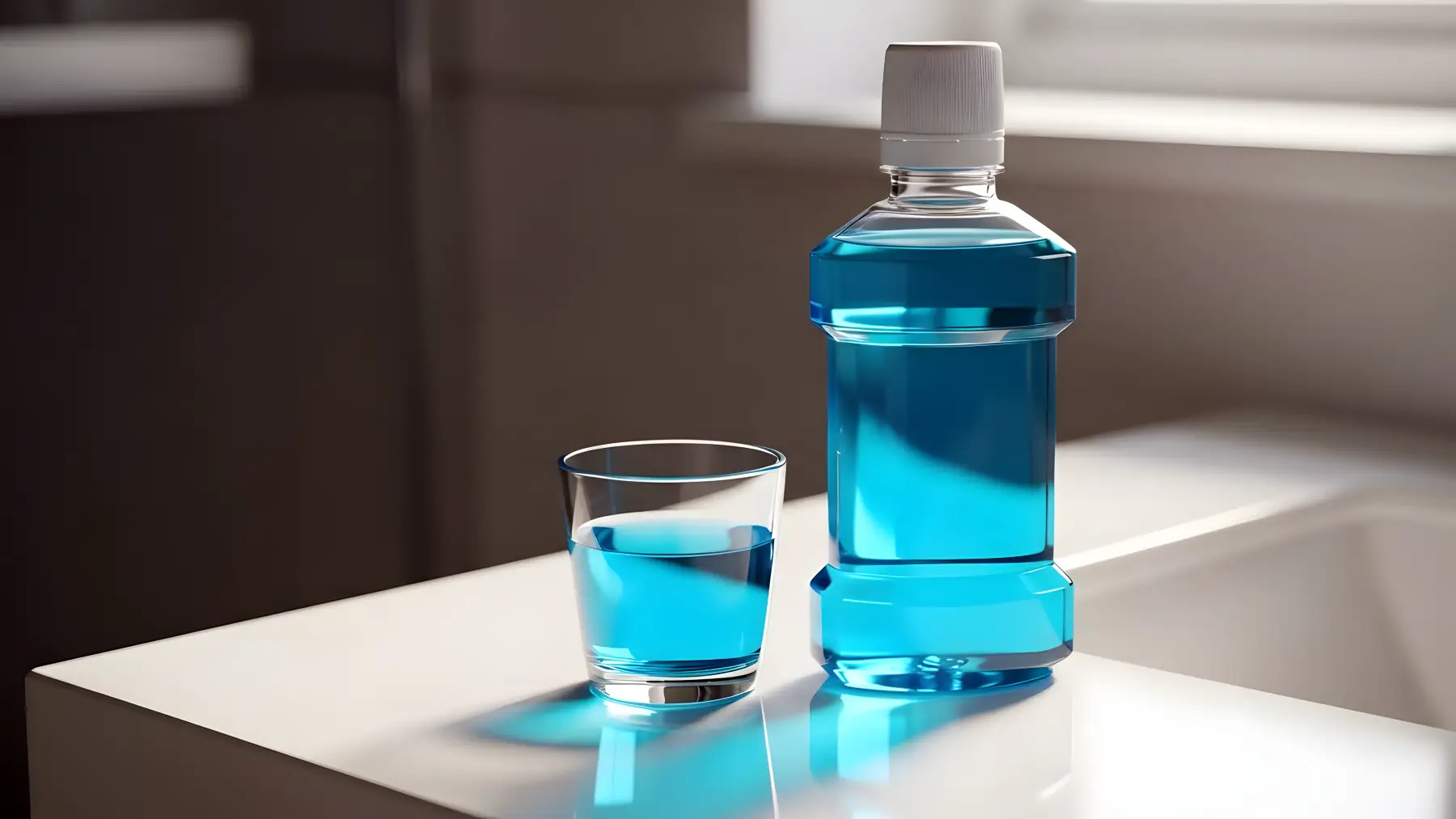
If cavity prevention is top of mind, choosing a breath mouthwash based on your oral health needs can give your enamel a boost and provide extra protection against tooth decay. Listerine Total Care Anticavity Mouthwash offers six-in-one protection that supports enamel and healthier gums. ACT Total Care Anticavity Fluoride Rinse is a strong pick for enamel strength and cavity protection.
And if you’re someone with dry mouth or super sensitive oral tissues, an alcohol-free, moisturizing formula is probably a better bet, as it’s less likely to irritate things or make dryness worse. TheraBreath Fresh Breath Oral Rinse is one alcohol-free option that helps neutralize odor-causing bacteria for sensitive mouths.
If gum issues are your main concern, look for a formula focused on reducing bacteria and plaque and promoting gum health. Colgate Total Gum Health Mouthwash is made for that job and also supports overall oral health.
By choosing a mouthwash that’s the right fit for your main concern, you can turn it into a valuable addition to your daily oral hygiene routine, and Crest Pro-Health Multi-Protection Mouthwash is a reliable daily option for fresher breath and plaque control.
What About Prescription Mouthwash?
Now, if you’re looking at prescription mouthwash, like chlorhexidine, your dentist might have it in mind for specific gum or bacterial issues. Just remember, it’s way stronger than the stuff you can pick up at the drugstore, so it’s only for use as directed by your dentist.
Chlorhexidine can be a lifesaver in some cases, but it may also bring some temporary side effects like staining, taste changes, or buildup if you use it for too long. That’s why you should only use it with professional guidance.
How to Use Mouthwash Properly
And here’s the thing: mouthwash is only going to work its magic when you’re using it as part of a complete routine. So first, get in some good brushing and flossing so the rinse can really do its thing on clean teeth and gums.
Don’t wing it with the amount; measure out what the label says you should use, swish it around for the recommended time, then spit it out. And don’t even think about swallowing the stuff, even if it doesn’t taste too bad.
If you’re using fluoride mouthwash, check the label for any special instructions on rinsing with water after. Some of these things work best if they get to just sit on the teeth for a bit. And you know the timing thing: if you’re only using mouthwash to cover up bad breath after meals, you might be missing the real issue. If you’re using it consistently but the symptoms keep coming back, it might be time to get your mouth cleaned or take a closer look.
Common Mouthwash Mistakes
A lot of people make the mistake of relying on mouthwash instead of, you know, flossing. Rinsing can help, but it’s not going to physically get rid of that plaque between your teeth or remove food debris from tight spaces like floss can. And then there are those people who choose mouthwash purely on the strength of the flavor; a strong mint taste doesn’t always mean the rinse is actually tackling the root of the problem.
And don’t even get me started on overusing harsh mouthwashes. If it leaves your mouth feeling dry, burned, or irritated, or starts causing gum irritation, switch to something gentler and go ask your dentist for advice on what’s best for you.
And finally, don’t just ignore bleeding gums like it’s not a big deal. Sure, mouthwash can help with the bacteria, but bleeding gums can be a sign of some pretty serious issues like plaque, tartar, gingivitis, or gum disease that need some professional attention.
When Mouthwash Just Isn’t Enough
Mouthwash is super helpful, but it’s got its limits. It can’t get rid of hardened tartar, fill cavities, deal with deep gum pockets, repair loose dental work, or cure every single case of chronic bad breath. It also shouldn’t replace regular check-ups, since some oral health issues are easier to prevent or catch early with fluoride-based care and routine exams.
So if you’ve got ongoing bad breath, gums that bleed all the time, gums that look all swollen or receded, teeth that feel loose, or you’ve got tooth pain, or any of the other things that just won’t go away, book an appointment with dental professionals and get your mouth checked out. These issues may need a cleaning, a gum evaluation, some cavity treatment, a restoration repair, or a personalized oral care plan. The sooner you get to the bottom of it, the easier it might be to manage.
Considering Dental Care in Los Algodones
If bad breath or gum symptoms have you starting to think seriously about your oral health, you might want to take a closer look at Los Algodones for your dental care needs. Dental Algodones serves up patients from the States and Canada who want guidance on cleanings, gum concerns, cavities, restorations, implants, veneers, and all that smile planning stuff.
For many patients, the appeal is the savings. Los Algodones is a heck of a lot cheaper than going at it in the States. At Dental Algodones, our bilingual staff will make sure you get clear communication, state-of-the-art equipment, and we can support you with shuttle, logistics, and accommodation planning when you need it.
Los Algodones is one of Mexico’s top dental destinations, and it’s got all sorts of other perks too: great savings compared with other Mexican hubs, and a chance to check out a typical Mexican town with all the local markets and food.
Fresh Breath Starts With Getting to the Bottom of the Problem
A good mouthwash can do a lot for your breath and gums, but it’s only going to be really effective if you know what’s causing the problem. If you’ve got ongoing odor, bleeding, tenderness, or dry mouth, addressing the cause can significantly enhance breath quality and overall oral health rather than relying on a rinse alone.
Dental Algodones can help you figure out your options and get on the right path. Start with a Free Virtual Diagnostic or get your quote to get the conversation started.
FAQs
Is mouthwash enough to fix bad breath?
Sometimes, but not always, mouthwash might be able to help with a temporary stink, but bad breath that just persists and won’t go away has a whole bunch of possible causes: plaque, gum disease, cavities, or that dry mouth you’re having. Oh, and if you’ve got dental work that’s trapping a bunch of bacteria underneath, that’s another good possibility.
What mouthwash is any good for bleeding gums?
You know, a mouthwash specifically designed to tackle plaque or gingivitis might just do the trick, but still make sure to have a doc look at it if it continues to be a problem. You might need a good old-fashioned cleaning or some evaluation of your gums.
Is alcohol-free mouthwash any good for bad breath?
If you’ve got a dry, sensitive, or irritated mouth (which is probably drying out even further because of your bad breath), then going with an alcohol-free formula might be a mite more gentle on things. Some alcohol-free rinses use ingredients like tea tree oil for a gentler feel. The thing is that dry mouth can really make bad breath worse, so for some people, an alcohol free option is the way to go, and a refreshing mint flavor isn’t required for effectiveness if you prefer a less intense taste while still helping keep breath fresh.
Can mouthwash actually reverse gum disease?
Mouthwash can help support healthy gums as part of a broader dental care routine, but it’s not enough to miraculously reverse advanced gum disease on its own. Therapeutic rinses may also help reduce oral infections and support gum recovery while tackling bad breath, but they are not a standalone fix. More likely, you’re going to need a cleaning, some diagnosis, and a custom treatment plan laid out by your dentist.