If your dentist recommends a crown, your first thought may be: ” Is getting a crown painful? The short answer is usually no. Modern dentistry makes crown procedures virtually pain-free, and the goal is to protect the tooth, restore function, and often relieve pain from damaged teeth.
- Getting a dental crown is generally not a painful procedure because local anesthesia is used to numb the area during the procedure.
- Most patients feel pressure, vibration, and jaw tiredness, but not sharp pain during the dental crown procedure.
- Patients often experience soreness and sensitivity after the procedure, but minor discomfort post-procedure can typically be managed with over-the-counter pain relievers.
- Dental crown tooth pain is often caused by normal discomfort, a high bite, nerve irritation, or gum irritation.
- Severe or persistent pain after a crown placement may require a dentist consultation, especially with swelling, fever, or throbbing pain.
Does Getting a Crown Hurt? (Short Answer Up Front)
While getting a crown, the tooth and gums are numbed first, so you should not feel pain while the dentist works. You may feel pressure from the handpiece, vibration, water spray, or jaw fatigue during the one to two hours the appointment typically takes.
Occasional sensitivity after a crown placement is normal. Mild tenderness or gum sensitivity is normal after a crown, and post-crown sensitivity usually fades within 2-3 days. For example, someone with a cracked tooth may expect the appointment to be worse than a filling, then be surprised that it mostly feels like pressure.
Dental crowns hurt far less than many people imagine. In fact, crowns are often used to stop tooth pain, protect weakened teeth, and prevent further damage.

What Is a Dental Crown and Why Might You Need One?
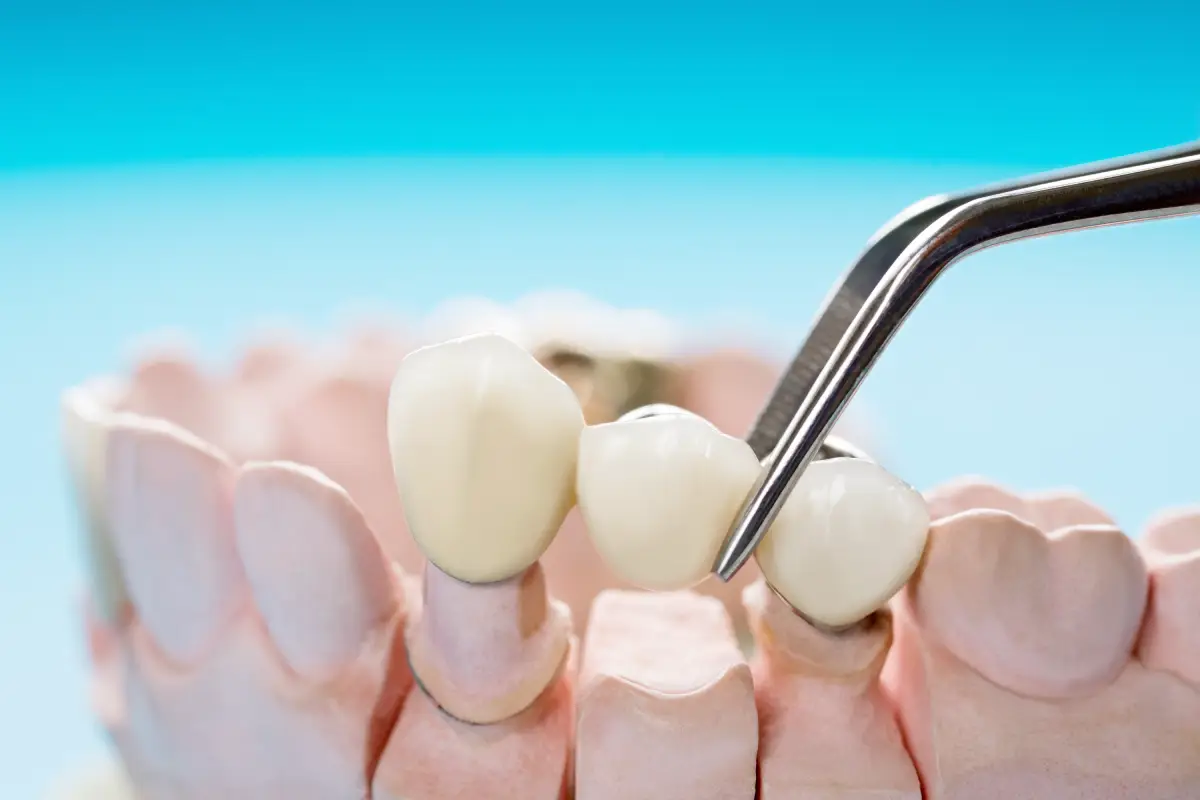
A dental crown is a custom cap that covers the visible part of a tooth above the gum line. Crowns work by restoring shape, bite strength, and appearance when a filling is not enough.
Dental crowns restore strength and function to damaged teeth. A crown may be recommended for damaged or weakened teeth, large old fillings, severe wear, a cracked tooth, a misshapen tooth, root canal treatment, or to finish a dental implant. Crowns can also improve a confident smile by giving a natural look to discolored or uneven teeth.
In simple terms, the crown protects the underlying tooth so it can keep working with your natural teeth and other teeth.
The Dental Crown Procedure Step by Step
The dental crown procedure may involve two visits or a same-day option. CEREC crowns can be made and fitted in one visit, while traditional crowns use a lab-made permanent crown.
Understanding the steps helps answer whether dental crowns hurt. Each stage focuses on comfort, accuracy, and a strong new restoration.
Visit 1: Examination, Numbing, and Tooth Preparation
At the first visit, the dentist examines the tooth and may take X-rays or 3D images to check for decay, infection, fractures, or other dental issues. Then a numbing gel is placed before local anesthesia is injected.
Once numb, the dentist removes decay or old filling material, completes tooth preparation, and shapes the tooth so the crown fits securely. If much tooth structure is missing, a build-up material may be added.
Patients may feel pressure but not sharp pain during the procedure. If you do feel pain, tell the dentist so more anesthetic can be used.
Digital Impressions and Temporary Crown
Next, the dentist captures the bite with a digital scan or impression material. Digital scans are often more comfortable and reduce gagging.
A temporary crown is then placed while the final crown is made. It protects the tooth but is held with weaker cement, so avoid sticky foods and hard foods on that side. Avoid hot or cold foods if the tooth feels sensitive, and avoid hot drinks until numbness is gone.
Visit 2: Permanent Crown Placement
At dental crown placement, the dentist removes the temporary, cleans the tooth, and tries in the new crown. The fit, color, contact with multiple teeth, and bite are checked.
Once everything feels right, the crown is cemented permanently, and excess cement is cleaned away. This crown placement is usually quick and comfortable. If the bite feels “high” later, a follow-up visit can fine-tune it.
What Does Dental Crown Pain Feel Like-and What’s Normal?

Normal discomfort may include tender gums, mild sensitivity to cold foods, a slight ache when biting, or injection-site soreness. Mild discomfort usually improves within 24-72 hours, though bite sensitivity can take up to two weeks to settle.
Call your dentist if pain lasts, worsens, wakes you at night, or feels like sharp pain or throbbing pain. These can point to an underlying problem rather than routine healing.
Common Causes of Pain After Dental Crown Placement
Dental crown pain can come from several sources. Most are treatable, especially when addressed early.
High Bite or Uneven Crown
A high bite means the new crown hits before the other teeth. That extra pressure can make the tooth hurt when chewing and may cause jaw soreness. High bite can cause tooth pain after crown placement, but it is usually fixed with a small adjustment.
Nerve Irritation Inside the Tooth
Shaping the tooth can irritate the nerve. Inflamed nerves may lead to sensitivity after crown placement, especially to hot, cold, or pressure.
This nerve irritation often calms down, but lingering nerve pain may require a root canal. Root canal therapy and root canal treatment are both done with anesthesia and can relieve persistent dental pain.
Gum Irritation Around the Crown
Gum irritation is common after getting a dental crown. The tissue near the margin may feel sore from impressions, cement removal, or the temporary crown. Gently brushing with a soft-bristle toothbrush, flossing carefully, and warm salt-water rinses can help.
Decay or Infection Beneath the Crown
Decay beneath the crown can cause persistent pain. A loose crown can expose the tooth and cause pain because bacteria and temperature changes can reach sensitive areas.
Symptoms may include bad taste, swelling, or chewing pain. The dentist may use X-rays and an exam to decide whether the treatment plan should include a replacement crown, root canal, or extraction.
Fractured Tooth Under the Crown
A crowned tooth can still crack below the visible surface. This may cause sharp pain on biting that is hard to locate.
Diagnosis may require bite tests, imaging, or removing the crown. Treatment depends on how deep the crack runs.
How to Manage Pain After Getting a Dental Crown
Most minor discomfort responds to simple care:
- Take ibuprofen or acetaminophen as directed, if safe for you.
- Chew on the opposite side for a day or two.
- Avoid hard or sticky foods after the crown placement to reduce tooth stress.
- Keep up good oral hygiene to prevent plaque buildup around the crown.
- Continue gently brushing and flossing to control plaque buildup.
Seek dental attention if you notice the following symptoms: swelling, fever, pus, severe dental crown pain, a loose crown, or pain that is not improving after a few days. Some situations need immediate dental attention.
Do Different Crown Materials Change How Much It Hurts?
The main source of dental crown pain is usually the tooth or gums, not the material. Crowns can be made from porcelain, ceramic, or metal.
| Crown type | Comfort note | Best-known benefit |
| Porcelain | Porcelain crowns offer a natural appearance and comfort. | Front-tooth aesthetics |
| Ceramic or zirconia | Insulates well against temperature. | Strength and natural look |
| Metal | May conduct temperature more. | Durability for back teeth |
Material choice depends on bite forces, location, cost, appearance, and oral health needs. Your dentist can explain which crown suits your dental health goals.
How to Prevent Dental Crown Pain in the Long Term
With proper care, crowns can last 10 to 15 years with proper care. The long-term benefits come from protecting the tooth, preserving function, and reducing future dental issues.
To keep the crown comfortable:
- Schedule regular checkups, often every six months.
- Brush with fluoride toothpaste and clean between teeth daily.
- Use a night guard if you grind or clench.
- Call early if the crown chips, feels loose, or causes new pain.
Good care protects both the crown and your natural teeth.
Getting Dental Crowns In Los Algodones With Dental Algodones
Dental Algodones is a great option for patients considering dental crowns because of our commitment to comfortable, high-quality care and personalized treatment planning.
Whether you have a cracked tooth, a large filling, severe wear, or need to restore a dental implant, we’ll use modern technology and precise techniques to create custom crowns that’ll protect your weakened teeth while restoring their strength, function, and appearance.
Since getting a crown is typically a virtually pain-free procedure with local anesthesia, our patients can feel confident knowing their comfort is a priority throughout every step of treatment.
From digital diagnostics and carefully fitted restorations to follow-up care and preventive guidance, at Dental Algodones, we help international patients achieve durable, natural-looking results that keep their smiles healthy and functioning for years to come.
FAQs About Pain and Dental Crowns
Is getting a crown more painful than getting a filling?
Usually, no. Both use local anesthesia, so you should feel pressure rather than pain. A crown visit may take longer than a filling, but many patients find it manageable.
How long should I expect my tooth to hurt after crown placement?
Mild soreness often lasts a few days. If pain is getting worse after 3-5 days or is still significant after two weeks, schedule an exam.
Can I get a crown if I have severe dental anxiety or low pain tolerance?
Yes. Tell your dentist before treatment. They can use extra numbing, breaks, calming techniques, nitrous oxide, or sedation options when appropriate.
Does a root canal before a crown make the procedure more or less painful?
A tooth that has had a root canal no longer has the same internal nerve response. You may still feel pressure or gum soreness, but not hot, cold, or nerve pain inside that tooth.
Can I avoid needing a crown altogether?
Sometimes. Small cavities or chips may be fixed with bonding or fillings. But when a tooth is cracked, heavily filled, or structurally weak, getting a crown may be the best way to protect it and prevent future pain.