
If you’re thinking of getting dental bonding or you’ve already got it done but now you’re wondering how long it’ll stick around before you need some repairs, then this is the guide for you: we’re talking straight-up timelines, what factors affect how long it’ll last, and some tips for getting the most years out of your bonding.
- Dental bonding usually lasts between 3 and 10 years, with most people needing a ‘top-up’ around the 5 to 7 year mark.
- Bonding on your front teeth, where it’s relatively low-stress, usually lasts longer than bonding on your back teeth or the edges of your teeth.
- There are a few big factors that affect how long your dental bonding will last, and that’s oral hygiene, your diet, how hard you bite down, whether you grind your teeth at night, whether you smoke, and just how good your dentist is.
- Proper dental care (regular brushing and flossing + 6-month checkups) along with avoiding nasty habits like nail biting and chewing ice can make a huge difference to how long your bonding lasts.
- Alternatives like veneers and crowns usually last longer, but they’re more invasive and expensive.
What’s Dental Bonding All About?
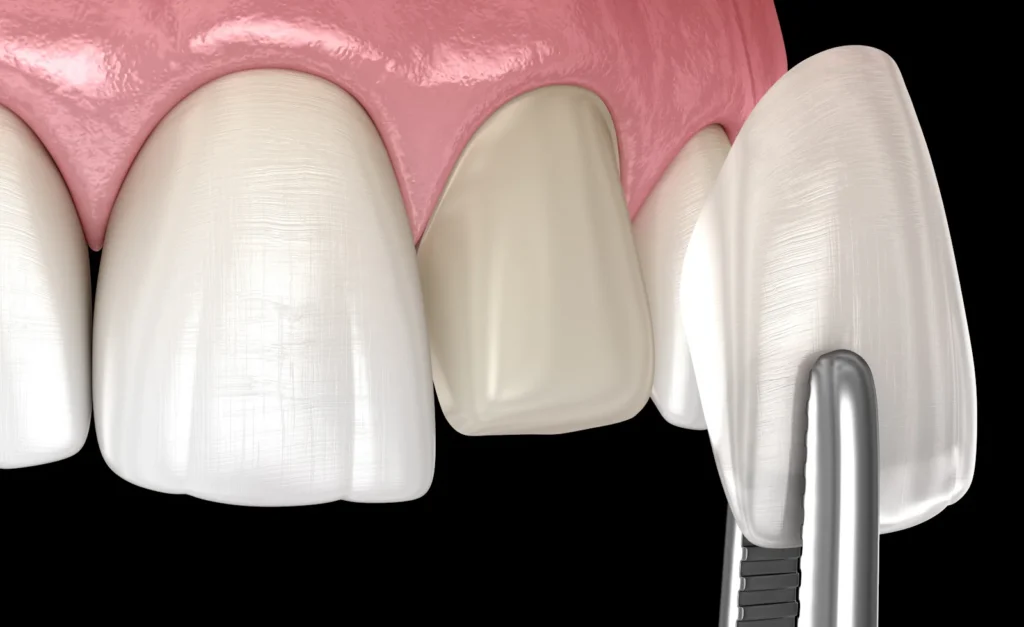
Dental bonding is a cosmetic dentistry procedure where your dentist takes a tooth-colored resin and applies it directly to your tooth surface to fix chips, close gaps, or just generally sort out the aesthetics.
They rough up the enamel, slap on a special liquid and bonding agent, layer on the composite resin, shape it up, and then harden it with a special light.
It’s pretty low-key, usually done in a single visit that takes around 30 to 60 minutes per tooth, and often requires little to no anesthetic. Bonded teeth are designed to blend in with your own teeth, which is great for both looking good and keeping your oral health on track. It’s especially popular for front teeth, where the bite pressure is lower, and a nice smile really matters.
How Long Does Dental Bonding Last, then?
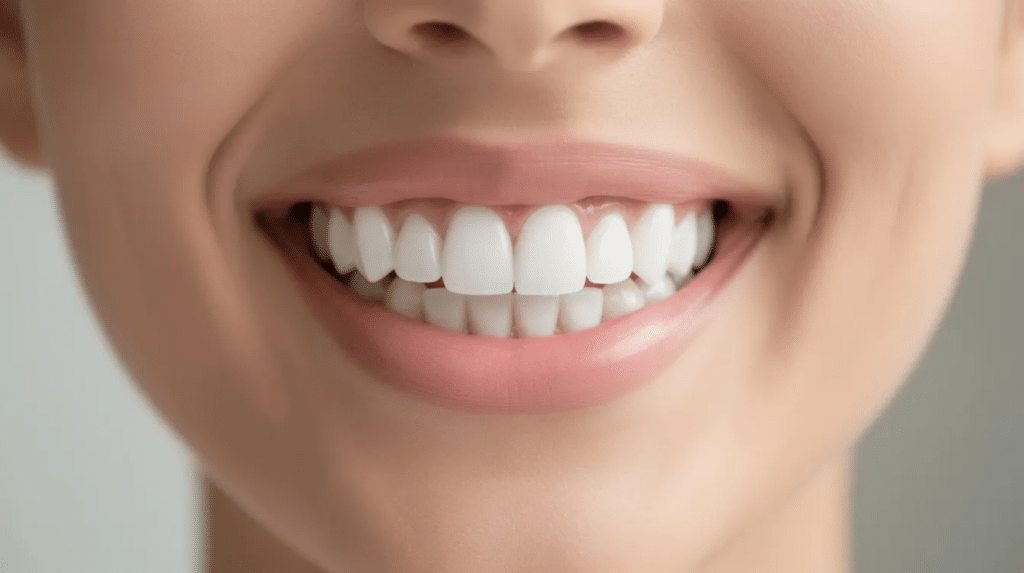
Dental bonding usually lasts for between 3 and 10 years before needing a repair or replacement. If you look after your bonding properly, you can expect it to last anywhere from 4 to 8 years, and for most people, a cosmetic job on the front teeth will last around 5 to 8 years.
A study of 163 composite restorations found that after 10 years, 88% were still going strong, and the failure rate each year is around 1.43%.
If you’re getting bonding done as a filling or on the biting surface of your teeth, it might need more frequent attention, often around 3 to 5 years. The location of the bonding really does affect how long it lasts.
When you ask how long dental bonding lasts, you’re really asking about both how long it’ll stay looking good and how long it’ll stay intact.
Your dentist can check at regular 6-month exams to spot any early wear and tear, and with a bit of TLC, and I mean that literally, you can get years more out of your bonding.
What Affects How Long Dental Bonding Lasts?
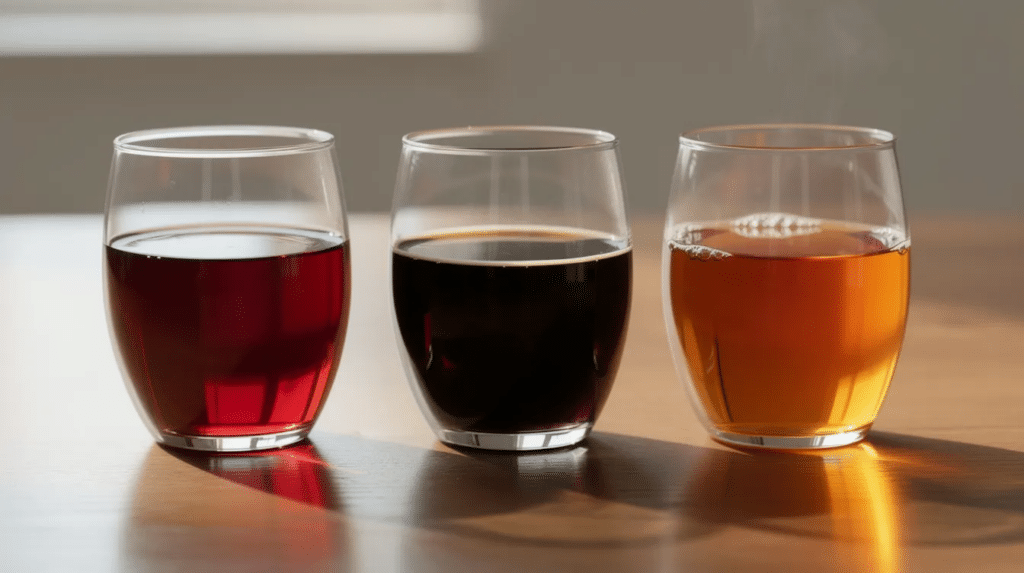
The lifespan of your dental bonding is not set in stone; it really depends on your daily habits, your oral health, and a few other factors.
| Factor | Impact on Bonding Lifespan |
| Good oral hygiene | Extends life, prevents decay around the bonded area |
| Acidic foods and sugary drinks | Degrade margins, weaken the bond |
| Coffee, tea, red wine, and tobacco products | Cause staining and discoloration |
| Teeth grinding (bruxism) | Major risk for chipping and fracture |
| Bite forces and tooth location | Back teeth and edges wear faster |
| Material quality and the dentist’s skill | Higher-quality materials and a skilled dentist improve outcomes |
If you’re a night grinder or you like to bite down on hard objects, that can drastically shorten the life of your bonding. If you do grind your teeth at night, a nightguard can really help protect your bonding.
It’s the little things that make the difference, 5 years vs 10 years, and a lot of that comes down to how well you look after your teeth and your bonding.
Bonded Teeth vs Dental Veneers: Which Lasts Longer?
Composite dental bonding material usually lasts 3 to 10 years, while porcelain veneers will last about 10 to 15 years or more with proper care.
If you want a longer-lasting solution, veneers are probably the way to go, but they do require a bit more tooth preparation, cost more per tooth, and are a lot less reversible than bonding.
Veneers are thin porcelain shells that get bonded to the front of your teeth. They resist stains way better than tooth colored resin material and hold up way better in day-to-day wear and tear, but they do require a bit more preparation and do cost more.
Dental bonding is a good option if you’re looking for a short- to medium-term cosmetic solution, and veneers might be a better bet if you’re after a longer-lasting smile makeover.
Common Problems That Make Bonding Lifespan Shorter
Even if you get your bonding done really well, it can still start to go wrong over time. Bonding materials can wear down, get discolored, and even stain over time, especially from things like coffee, tea, red wine, and smoking. Composite resin in dental bonding doesn’t resist stains as well as porcelain, so you can expect that.
Common problems include:
- Chipping and fractures: If you bite down on hard objects or use your teeth to open packages, the bonding material can chip.
- Staining and discoloration: Over time, the surface of the bonding can get worn down and look different from your natural teeth.
- Marginal breakdown: If there’s a gap between the bonding and your natural tooth structure, that can lead to tooth decay underneath.
- Wear on biting surfaces: Heavy biting forces can flatten or wear away the bonding material over time. It’s a gradual process that can happen without you even noticing.
If you start to notice the bonding getting a bit rough, or you find that your floss is catching on it, or you can see that the bonded tooth is a slightly different colour to the rest of your teeth, it’s time to book a dental check-up.
How to Make Your Dental Bonding Last Longer
It’s really the little oral habits you follow daily that make all the difference to how long bonded teeth look and feel good. Here are a few things you can try to help maintain your dental bonding in good shape.
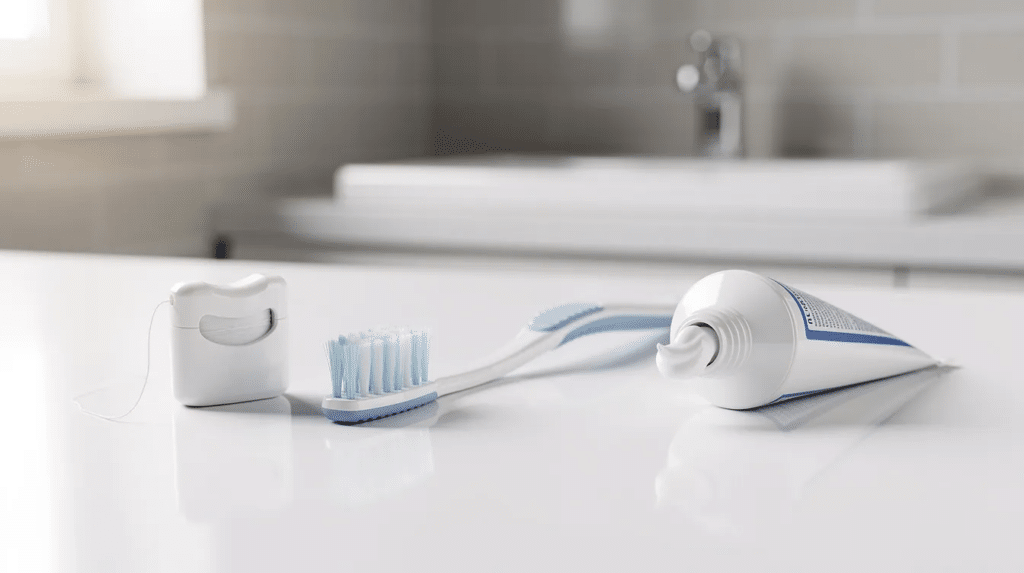
- Brush your teeth twice a day with a soft-bristle toothbrush and non-abrasive toothpaste. Don’t forget to floss regularly, especially around the bonded teeth. Keeping the margins clean can make a big difference.
- Try to avoid biting down hard on things, like ice or hard foods, chewing pen caps, or using your teeth as tools to open packages is also a bad idea. And yes, that means avoiding hard foods too, if possible, to prevent chipping the bonding material.
- Be careful with staining drinks. If you’re a coffee or tea drinker, try rinsing your mouth out with water after each cup, and use a straw when drinking cold, dark, fizzy drinks if you can. If you smoke, quitting will not only help keep your bonding stain-free but also your whole mouth healthier.
- Wear a custom-made mouthguard if you grind or clench your teeth at night, and a sports mouthguard if you’re into contact sports.
- Visit your dentist every six months for check-ups. Regular dental check-ups can help keep your bonded teeth in good nick; your dentist can polish any stains, smooth out any roughness, and catch any problems early on.
Good oral hygiene is key to keeping your bonded teeth in good health, and not just to prevent tooth decay; extending the life of dental bonding can make a huge difference.
When to Repair or Replace Dental Bonding
Let’s face it, dental bonding isn’t permanent, but that doesn’t mean you have to go out and get it all refurbed all the time. Periodic touch-ups are pretty normal.
Signs that your bonding may need some attention are:
- Visible chips or cracks in the bonding that are just driving you mad because they keep getting in the way of your tongue
- Dark lines or gaps are starting to appear between the bonding and your new tooth surface
- The bonding is just not matching the colour of your surrounding teeth anymore
- Or, worse, your bonding feels loose, or it’s starting to peel away at the edges
The good news is that bonding can usually be repaired or polished if it gets chipped or stained. Some repairs are as simple as just polishing the bonding and adding a bit more resin, while in other cases, you may need a full replacement. Either way, it’s usually a pretty straightforward process that can be done in a single visit to the dentist.
Is Dental Bonding Right for You?
Dental bonding is pretty handy for chips, small gaps, minor shape changes, and localized discoloration. It’s an easy and relatively quick way to spruce up a front tooth that’s taken a bit of a knock. It’s also a pretty budget-friendly option for small cosmetic fixes.
But of course, there are some limitations; bonding isn’t always the best choice for patients who:
- Have a lot of wear and tear on their teeth\
- Have teeth that need a lot of major work, like crowns\
- Have very heavy grinding habits, unless of course you’ve got a night guard to keep your teeth safe while you sleep.
Discuss your goals and what you’re looking for with your dentist, and they can help you decide whether bonding, veneers, or some other cosmetic treatment is the best fit for you.
Dental Care In Los Algodones At Dental Algodones
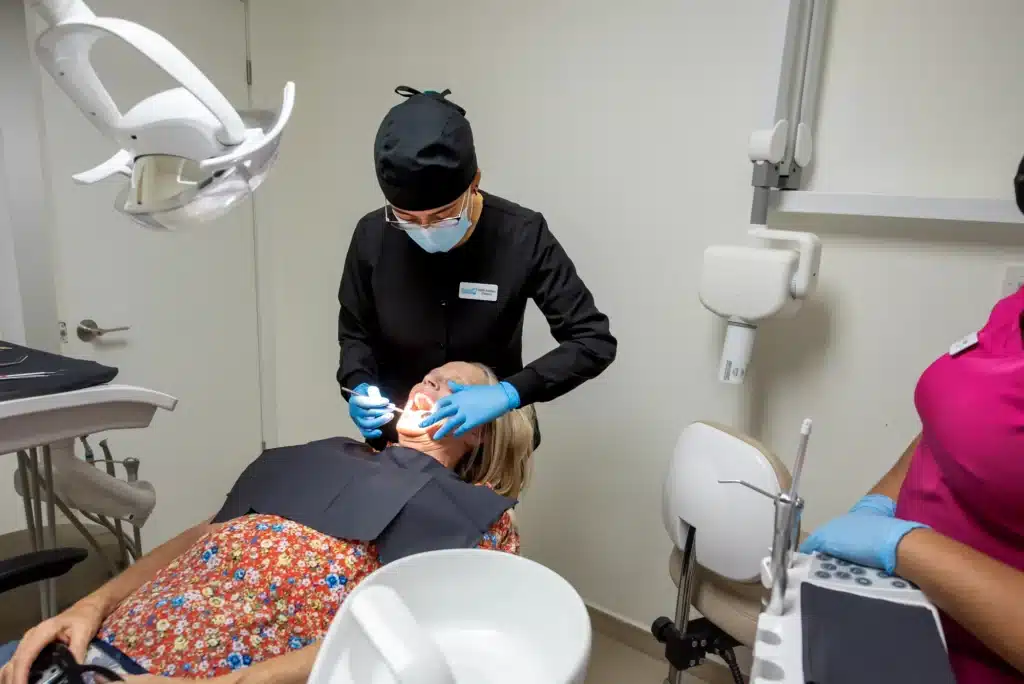
Dental Algodones is an excellent option for patients considering dental bonding thanks to its personalized approach, modern technology, and focus on long-term results.
Whether you’re looking to repair a chipped tooth, close small gaps, or transform the appearance of your smile, our team can determine if bonding is the right fit for your goals and lifestyle.
Because the longevity of dental bonding depends not only on the quality of the materials used but also on the skill of the dentist, patients can benefit from individualized treatment plans and ongoing support to help their results last.
Through regular check-ups, preventive guidance, and expert care, Dental Algodones helps international patients enjoy natural-looking improvements while getting the most out of their bonded teeth for years to come.
FAQ: How Long Does Dental Bonding Last and Other Common Questions
Can dental bonding last more than 10 years?
Yes. Although dental bonding typically lasts 3-10 years, excellent oral hygiene and regular check-ups can help some patients keep it for more than a decade. Over time, touch-ups or replacements may still be needed.
Does whitening toothpaste or bleaching damage bonded teeth?
No, but they won’t whiten the bonding material. Avoid overly abrasive whitening toothpastes, and consider whitening your natural teeth before replacing bonding to match the new shade.
Is dental bonding as strong as natural teeth
No. Composite bonding is durable but not as strong as natural enamel or porcelain restorations. Avoid chewing ice or hard objects to reduce the risk of chipping.
How much does dental bonding cost compared to veneers?
Dental bonding is generally much more affordable than porcelain veneers, which can cost $925-$2,500 per tooth. However, veneers tend to last longer and offer greater durability.
Can I eat normally right after getting dental bonding?
Yes. Since the resin hardens during the procedure, most patients can eat normally soon afterward. It’s best to avoid very hard or sticky foods for the first 24 hours.