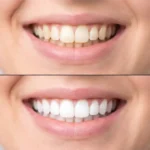

Matcha is the trendy, go-to drink of the moment. It’s the vibrant green tea that’s earthy, it has antioxidants and antibacterial effects, it’s smooth, and often seen as the laid-back cousin of coffee. But if you find yourself sipping on matcha regularly, one question you might sooner or later ask yourself when you catch a glimpse of yourself in the mirror is: Does matcha stain teeth?
The answer, in a nutshell, is yes, drinking tea, especially matcha, can stain teeth, but it’s not quite as aggressive as coffee or black tea. The real issue isn’t with a single cup; it’s with frequent sipping, how well you clean your teeth between drinks, and the overall state of your oral hygiene.
So, Does Drinking Matcha Stain Teeth?
Matcha tea has the potential to stain your teeth because the tooth’s enamel, the tooth’s outermost layer, can hold onto matcha’s natural pigments and tannins along with plaque on your teeth. While matcha is generally less likely to stain teeth than coffee or black tea, your consumption habits still matter, and frequent use, especially if you’re sipping on matcha throughout the day, can lead to noticeable discoloration on teeth over time.
The likelihood of matcha staining your teeth largely depends on how well you take care of your oral hygiene. Pigments are much more likely to stick to plaque-covered teeth than to clean, smooth enamel, so having poor dental hygiene is a definitive factor. Swishing water around your mouth after drinking matcha, brushing your teeth regularly, flossing, and scheduling regular dental cleanings can all help keep your smile looking brighter.
Why Does Green Tea Stain Teeth?
Matcha can contribute to tooth staining simply because you consume the entire powdered tea leaf, whereas regular green tea leaves out a bit of the powder. This means matcha includes tannins, and it has a high concentration of chlorophyll, the natural green pigment found in plants, whose ability to neutralize harmful acids in the mouth and combat bad bacteria may support fresher breath and better oral hygiene, even though it can still contribute to visible stains. These compounds can make it a lot more likely for visible stains to appear on your teeth, particularly when combined with plaque or that remain on your teeth through prolonged exposure.
In most cases, matcha staining develops gradually and isn’t going to appear after a single drink. It’s more likely to happen when you have a lot of matcha over a period of time, sip on it for a while, don’t brush or floss as regularly as you should, or get in for a dental cleaning less often. Maintaining good oral hygiene practices and minimising how long matcha remains in contact with your teeth can both help in reducing the buildup of surface stains.
Most Matcha Stains Are Extrinsic. What Does That Mean?
Most of the discoloration associated with matcha is extrinsic staining, meaning it sits on enamel, the tooth’s outermost layer, and follows a surface-level process of pigment buildup rather than deep internal discoloration. Because these stains are on the surface of the tooth, they can often be managed through good oral hygiene, regular dental cleanings, and, when necessary, a professional teeth whitening treatment suggested by your dentist.
This is different from intrinsic discoloration, which happens deeper within the tooth and can be caused by a range of factors such as aging, certain medications, enamel thinning, or older dental restorations. Which is why not every dull or yellow smile is the result of matcha. In a lot of cases, the underlying cause of staining may have nothing to do with matcha at all. That’s where a professional dental evaluation can come in handy if you’re not sure what’s behind the staining.
Matcha vs. Coffee, Black Tea, and Other Drinks

Compared with coffee, black tea, and other beverages, matcha is generally not as likely to leave deep stains on your teeth. Coffee’s got dark pigments and acids, while black tea’s got tannins that can leave a noticeable stain over time. Although matcha is lighter in colour, it still contains tannins and pigments that could contribute to potential staining, especially if you drink it frequently. Still, matcha has fewer tannins and lower tannin content than black tea, so it may be less likely to stain teeth than beverages like those darker teas.
The risk of staining increases depending on the forms you drink it in, especially if you’re adding sugars, syrups, or loads of creamy flavour to your matcha. In lattes or similar preparations, milk can slightly change how much residue is left behind, so the way it’s made can affect staining risk. Other highly pigmented drinks, such as red wine, dark sodas, and berry-based drinks, can also make teeth appear dull or discoloured. Generally, though, drinking matcha in one sitting is less likely to cause staining than sipping it slowly over several hours.
Does Matcha Turn Teeth Yellow?
Matcha can sometimes make your teeth look a bit yellow or dull, especially if the pigments build up on plaque or the surface of your enamel. But for the most part, this type of discoloration is superficial and may clear up with a professional dental cleaning. And let’s be honest, yellowing teeth can also be caused by a range of other factors, including ageing, acidic foods and drinks, plaque, and dental restorations. If discoloration persists despite good oral care, it’s worth talking to your dentist to see if the cause is surface staining, enamel changes, or existing dental work.
For most people, matcha doesn’t need to be avoided; it can be a part of your routine, and you can still enjoy its health benefits if you drink it in moderation, brush your teeth regularly, and get in for a dental checkup every now and then.
How to Prevent Matcha From Staining Your Teeth
You don’t need to swear off matcha to prevent tooth stains. The most effective strategies involve limiting how long matcha is in contact with your teeth and keeping up good oral hygiene. Rinsing out with water after drinking matcha can wash away the bitter pigments, sugars, and residue before they get a chance to settle on your enamel.
If you’re wondering how to prevent staining, dentists usually start with a few simple tips. It’s also a good idea to avoid sipping on matcha over a long period, especially if your drink has added sweeteners, and to rinse with water afterward; these habits help prevent staining and prevent teeth discoloration while keeping your smile bright. Regular brushing twice a day and flossing every day remain the most important habits; the pigments are going to cling to plaque-covered teeth, after all. If you’re someone who regularly downs iced matcha, using a straw can help reduce the amount of direct contact with your front teeth, and mindful consumption matters more than sipping repeatedly throughout the day. Remember, these habits are the easiest way to keep enjoying matcha without visible surface stains.
Do You Need to Brush Right After Drinking Matcha?
If your old unsweetened, plain matcha is the only thing you’ve got going on, brushing after a short wait will usually be just fine. But rinsing with water first is a good move because it gets rid of any loose pigments before you go brushing.
If you’re drinking a matcha latte loaded with sugar, syrups, citrus flavors, or acidic bits, wait at least 30 minutes before brushing to avoid damaging enamel. Brushing too soon after acidic add-ins can cause damage and make teeth more susceptible to stains, especially if they’re already feeling sensitive.
In the meantime, just drink some water. It’s not rocket science, but it helps your mouth recover and gives you a clean slate.
How to Remove Matcha Stains Without Hurting Yourself
Minor matcha stains will usually come right out with consistent brushing, flossing, and regular dentist visits. Professional cleanings can knock out all the plaque and tartar that’s hard to get rid of at home, since plaque hardens into tartar if it’s not removed, and can make your teeth look cleaner and brighter.
Whitening toothpaste might help reduce some surface stains, but it’s not always the best solution for everyone, especially if you’re sensitive or have gums that are in bad shape. Matcha also contains catechins with antibacterial properties that help support oral health by inhibiting harmful bacteria linked to cavities and gum disease. It also contains fluoride, which helps strengthen enamel against tooth decay. If the discoloration persists, professional whitening might be a better bet, but before you do that, you should get a dentist to check out what’s going on, especially if you’ve got veneers, crowns, fillings, or bonding. These things don’t whiten the same way natural teeth do, which can lead to some pretty ugly, uneven colour if you whiten without planning it out.
When to Get a Dentist to Check Out Your Stains
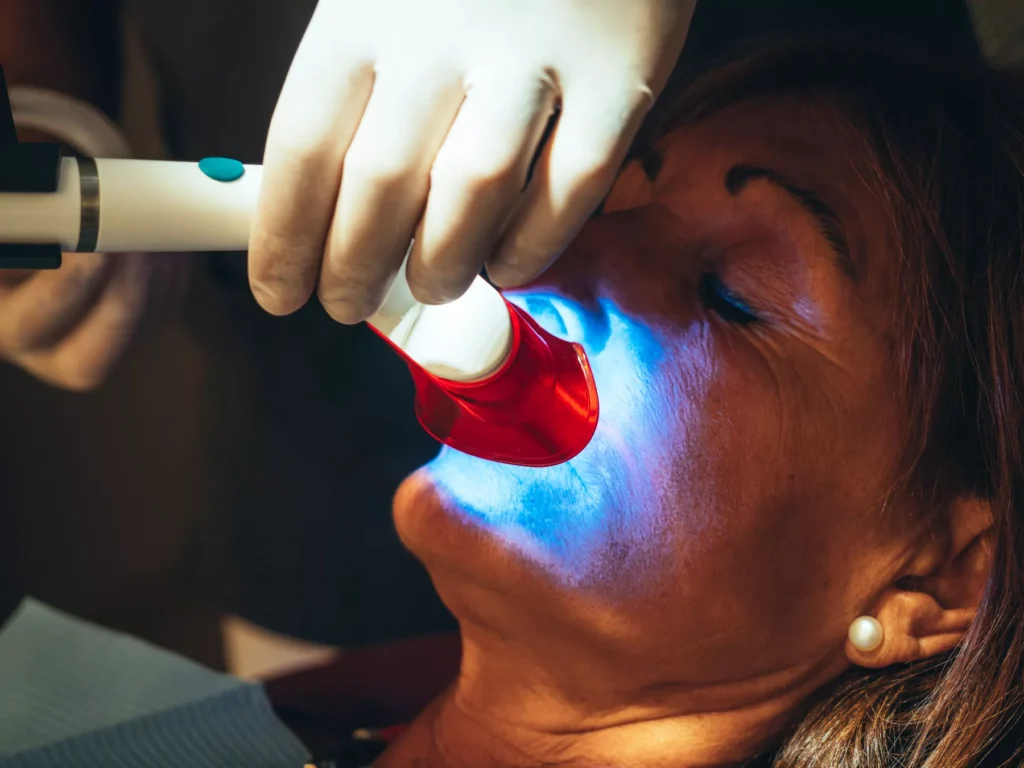
Get a dentist to check if your stain is particularly dark, or if it’s not lifting after a cleaning, or if you’re experiencing sensitivity, bleeding gums, or rough edges. These things don’t always mean something is seriously wrong, but dark stains, sensitivity, or bleeding gums can point to broader dental health issues, not just matcha stains, and it’s worth checking out because stains can sometimes hide all sorts of problems like tartar, decay, worn-down dental enamel, or restoration issues.
Getting a dentist to check also helps you avoid making a guess. Maybe you just need a cleaning, or maybe whitening will do the trick. Maybe an old filling or crown needs to be sorted out. Regular checkups are also useful for minimizing worsening discoloration and catching the cause early. The right answer will depend on what’s really going on with your teeth.
Can You Keep Enjoying Matcha With Dental Work?
You can usually keep on drinking matcha even if you’ve got dental restorations, but you should be aware that the pigments can build up around the edges of your crowns, veneers, fillings, or bonding, especially if there’s plaque around. Different materials also respond to staining differently, so composite bonding might get dingier more easily than porcelain veneers, and older restorations might not match the rest of your teeth if your natural enamel changes colour over time.
Because whitening doesn’t affect restorations the way it does natural teeth, you’ll need to plan carefully if you’re worried about discoloration. A dentist can help figure out whether a cleaning, whitening treatment, or replacing the restorations would be the best way to get a bright smile that looks more even.
Why Los Algodones Can Be a Good Place to Get Your Smile Looking Better
If matcha stains or other cosmetic dental issues have got you thinking about getting your smile sorted, professional dental care can help figure out the best solution for you. Treatments like professional cleanings, whitening, veneers, or restorative work can tackle surface stains, discoloration, and other aesthetic issues more effectively than over-the-counter products.
For patients looking into dental tourism, Los Algodones is a well-known destination for dental care. People come from the United States and Canada to get treated. At Dental Algodones, we have bilingual staff, modern tech, and help with travel arrangements, which makes treatment more accessible and convenient. Plus, visitors like the town’s walkable vibe, local shops, and restaurants, which can make for a pretty good trip.
FAQs
Does matcha stain teeth more than coffee?
Usually, no. Matcha can stain teeth, but coffee often causes darker and more noticeable staining because of its pigments, acidity, and frequent sipping habits. Questions about whether green tea stains teeth come up for a similar reason: both drinks contain plant compounds that can discolor enamel.
Does matcha latte stain teeth?
Yes, a matcha latte can stain teeth, especially if you drink it often or sip it slowly. The milk may slightly dilute direct pigment contact, but sugary add-ins and slow sipping can still increase stain buildup. If it contains sugar or syrup, it may also increase plaque buildup, which gives pigments more places to stick.
Can brushing remove matcha stains?
Brushing can help prevent and reduce light surface stains, but it may not remove stains attached to tartar or deeper discoloration. If stains remain, a professional cleaning or whitening consultation may help.
Can whitening remove tea stains from teeth?
Professional whitening may help remove or reduce many tea-related surface stains on natural teeth. However, whitening does not change the color of veneers, crowns, fillings, or bonding.