Your week just got turned upside down because of a throbbing toothache. You eat on one side, sleep fitfully, and start frantically searching for an easy answer to “signs you need a tooth extraction”.
To be upfront, extraction isn’t the first and only option. Many a tooth can still be saved. But if certain symptoms pop up, especially those linked to infection or swelling, don’t wait; get to the dentist ASAP.
Check yourself: should you get a dental extraction?
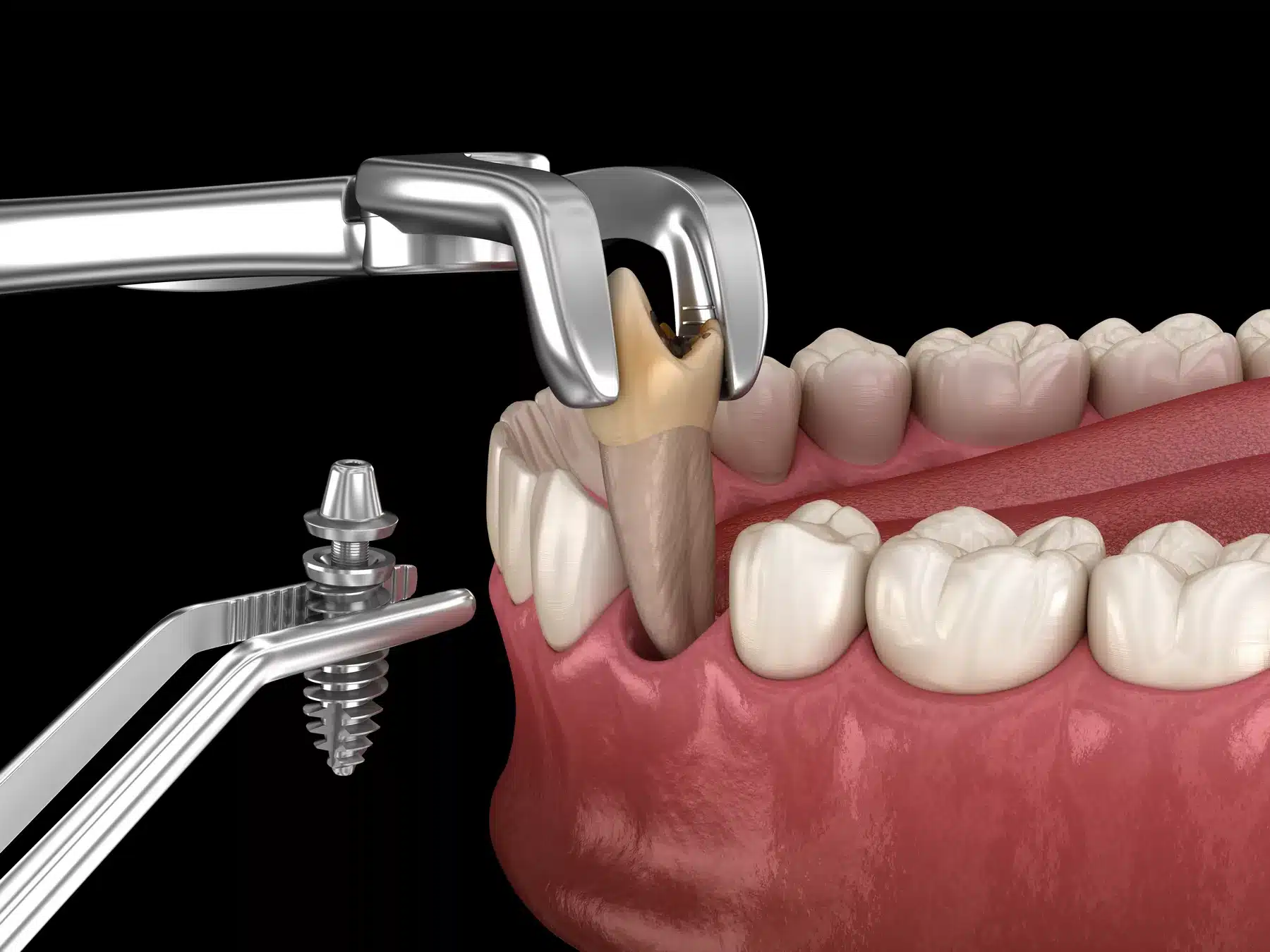
A tooth extraction is a dental procedure in which a dentist removes a tooth that can’t be fixed to improve the patient’s oral health. Seek emergency help if your toothache is accompanied by a swollen face, a fever, or trouble breathing or swallowing.
If you’re experiencing severe tooth pain, bite pain, a cracked tooth, looseness, or repeated infections, don’t delay a visit to the dentist, so they can use X-rays to see what’s going on.
Dental issues that mean “get to the dentist right now.”
If breathing or swallowing is getting hard, get to urgent care or the ER. That’s a sign a potential infection is spreading, and that needs to be checked out pronto to avoid further complications.
- You can’t breathe or swallow-
- Your face, jaw, or neck is swelling
- You’re running a fever
- You’re getting infection signs like pus, bad taste, or drainage
- You’ve got severe pain and swelling
- The swelling is getting worse, not better
Dental Issues that mean “book a dental care visit soon.”
These symptoms aren’t always a crisis, but they are a strong reason to get in to see a dentist soon. The goal is to catch problems before they turn into a big mess or a broken tooth.
- Your bite hurts when you chew
- You’ve got a visible crack
- Your gum tissue is swollen around one tooth
- Your adult tooth feels loose
- You’ve got soreness near your wisdom tooth
9 signs that damaged teeth may be beyond repair
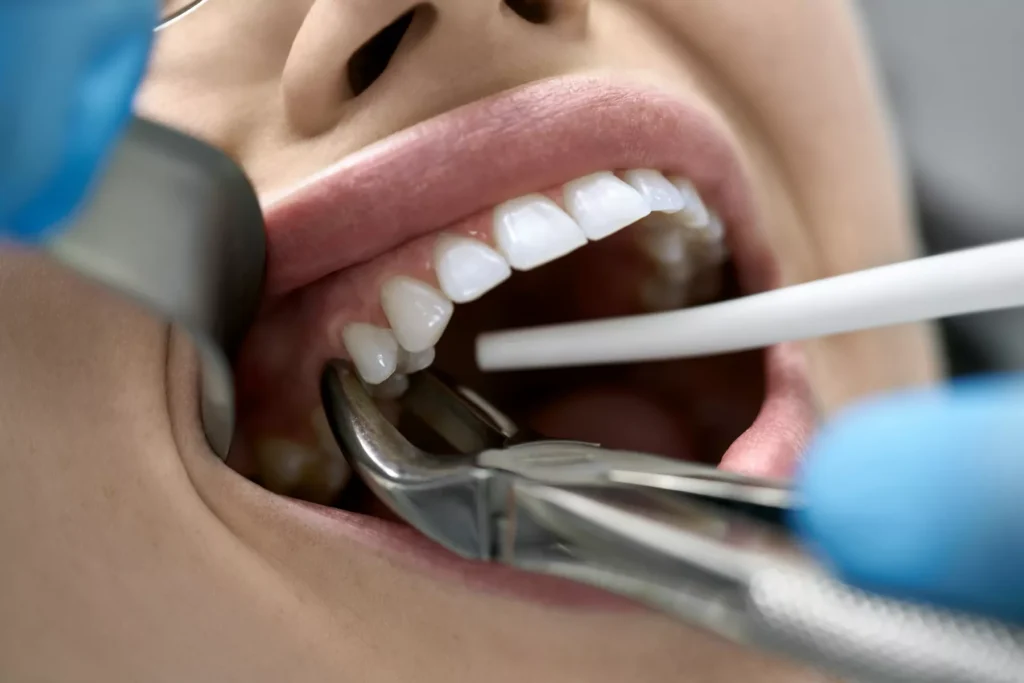
Impacted wisdom teeth, gum disease, and broken teeth below the gum line are dangerous signs that may indicate a tooth extraction is needed.
Dentists will always try to preserve natural teeth, because that’s usually the simplest long-term fix. But sometimes oral health treatments like fillings, crowns, or even root canal therapy won’t do the trick to make the affected tooth stable again, and that’s when extraction may be the only option.
- Recurring severe tooth pain can mean an infection due to extensive tooth decay, a crack, or nerve irritation.
- Swelling, pus, or bad breath are also signs of severe tooth decay and infection, especially if it’s spreading to the surrounding teeth.
- You feel a loose tooth as an adult might mean the bone is compromised by gum disease, infection, or trauma.
- Cracked under the gumline is hard to repair long-term.
- Deep decay under a crown is treatable but may not hold up with loss of too much tooth.
- Repeated infection after treatment might signal a hidden crack or a seal that can’t be maintained.
- Symptoms from an impacted tooth (often a wisdom tooth). Impacted wisdom teeth can cause recurring swelling, pain, and trapped bacteria.
- Crowding for orthodontics requires tooth extraction to create space and stabilise the bite.
- Trauma compromised the tooth structure when a hit fractures the tooth or root, and changes what can be fixed.
When to proceed with the extraction process and when to save:
A good dentist looks at predictability, not just your current pain. They weigh remaining healthy tooth structure, crack depth, bone support, and the level of infection control.
Ask what’s driving the decision, and what you’d need to be true for the tooth to be saved. If there are two possible paths, ask what success looks like for each and what follow-up would be required.
Before the Tooth Extraction Procedure: What happens at your exam and imaging?
Your dentist can’t confirm that you need a tooth extraction just from symptoms alone, so expect an exam and imaging to figure out the root cause. This often decides the course of action:
- Dental exam (bite checks, temperature tests, gum checks)
- Dental X-rays for a diagnosis (decay depth, root infection, bone levels)
- CBCT 3D imaging

Before you get in to see us
Keep things calm and clean until you’re seen. If the swelling spreads or the fever comes on, don’t wait to get urgent care.
- Eat soft food on the other side
- Cold compress for the swelling
- Gentle salt-water rinses
- Be gentle when brushing around the area
- Avoid smoking, alcohol, and heat
- Don’t put pills on the gums
What happens at a tooth extraction appointment
We want to confirm what’s going on, get you comfortable, and find the safest way to fix your mouth. A good dentist also explains that your tooth can be saved predictably before “pulling it” is the plan.
Simple vs surgical extraction (what’s the difference?)
A simple extraction is for a tooth that is fully showing and can be just lifted out after getting numbed up. A surgical extraction is what’s needed when getting to the tooth is a bit trickier, like a tooth that’s been broken near the gumline, has some pretty complex roots, or is impacted.
How DA keeps you at ease, in communication, and looks out for your safety standards.
If you’re ever feeling nervous, or even just don’t understand something, you’ve got the green light to say so, without being rushed to get along with your treatment. At Dental Algodones (DA), we aim to be super clear and helpful so you know what to expect. Our team speaks both English and Spanish, and will walk you through everything step by step.
We also make sure you’re comfortable and don’t feel a thing during the whole process, with local anaesthesia to numb the area. If you’re extra uneasy about pain, we can even discuss the option of general anaesthesia, but just be aware that it might bump up the price a bit.
Recovery basics: what you can expect after the extraction process
The recovery time can vary; it really depends on the tooth, the type of extraction, and your overall health, but most people follow a similar pattern. Knowing what’s normal is key, so you can spot the times when you really should give us a call.
As a rule, most people see the following:
- A bit of oozing in the early stages
- Swelling or soreness is pretty intense at first
- The socket can look a bit light-coloured
But if you notice any of the following, give us a shout:
- Bleeding won’t stop
- Swelling starts to get worse, and you get a fever
- Pain just gets a lot worse
- You get some new drainage or a bad taste
- Something just doesn’t feel right
And for now, just steer clear of smoking and sucking on straws, which can be great ways to disturb healing clots. So give smoking and straws the boot for now.
After extraction: do you actually need to fill the gap?
Leaving a gap in the extraction site can lead to some real issues later on, like your teeth shifting and your bite changing. Your replacement option will depend on where the tooth is, how much force is coming down on it, and how much time you’ve got to get to it. So yeah, leaving a gap can really shift your teeth.
- Dental implant option: that replaces the whole root and crown, and is probably going to feel as good as having your real tooth back.
- Bridge option: that fills the space by anchoring to the teeth on either side of the gap or to some dental implants.
- Partial denture option: a removable solution for one or more missing teeth.
Get a Free Virtual Diagnostic with DA
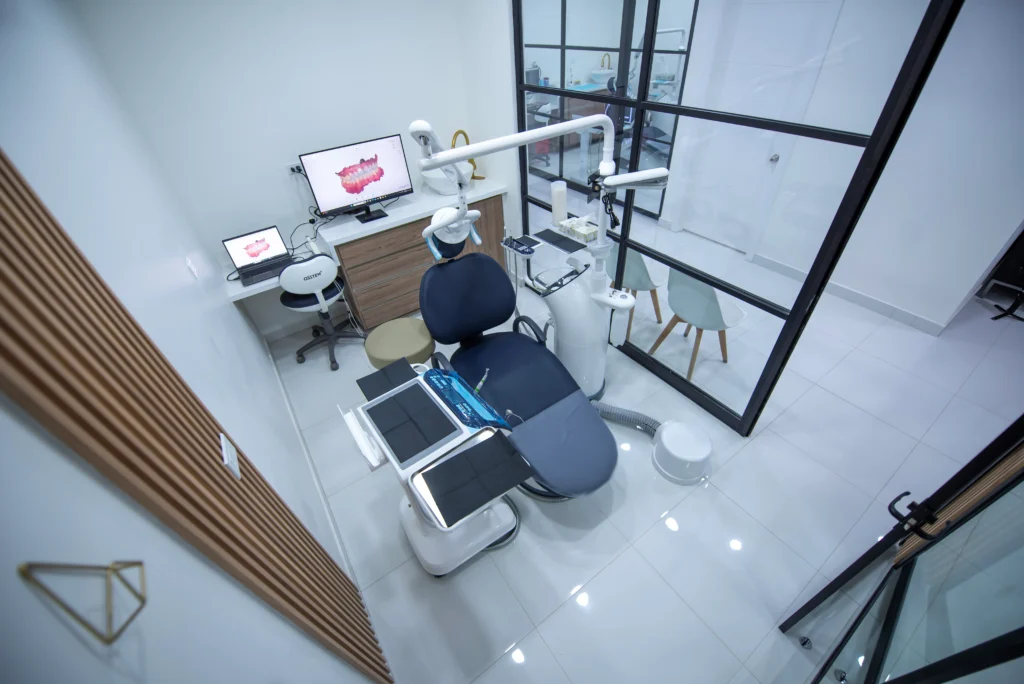
If you’re not sure whether that tooth needs to come out, our Free Virtual Diagnostic can give you a bit of an idea before you travel. It can help you figure out what needs to be confirmed in person and what steps are most likely next.
Share some recent X-rays, photos, or just a written summary of your symptoms with us, and we can give you a rough idea of what might be next. The in-clinic exam and imaging still have the final say, mind you.
Feel free to ask us about what brand materials we’ll be using; we’re super picky about using only the best stuff from the top brands. Our expert team will go through your X-rays and any extra images, and our in-house lab will take care of the rest during your evaluation to make sure you get the proper care and follow-up.
If you’re getting your travel arrangements sorted out, ask us about our shuttle services and accommodation options. We can help you get a great deal at one of our partner hotels for just $80 a night. Just let us know if you’re interested in these extras, so we can make sure your plans fit in with your schedule.
Oh, and please do ask about our warranty policy; it’s all case-by-case, so we’ll need to go over the details. Just keep in mind you need to stick to the follow-up plan and take care of yourself to get the best results.
Get Your Free Quote and start planning with a clear plan
Grab your Free Quote and start getting a treatment plan that makes sense for you and your symptoms. That way, you can avoid any guesswork and delays. So start with a clear plan and save yourself some hassle
If you’re traveling, also ask about our travel support options, so you can make sure your appointments and recovery fit in with your schedule. Travel support for your schedule