Short answer: Yes, getting dental implants in Mexico can be a safe bet, but only if you do your homework, pick a vetted clinic in a recognised dental tourism hub, and have realistic expectations about timelines, follow-up and the cost. It’s not about the country you’re in, but about the clinic you choose. Many Mexican dentists have the same qualifications and affiliations as dentists in the United States, ensuring a comparable level of care.
Many U.S. patients have received high-quality dental work from popular dental hubs in Mexico, such as Los Algodones and Tijuana. They have safer, well-patrolled medical districts designed for international patients, so if you know where to go, it is very safe. In this guide, you will learn how to choose the best clinic for you out of the hundreds of options available.
Why are dental implants in Mexico cheaper
The lower costs of dental implants in Mexico are attributed to lower operating costs and the cost of living compared to the U.S. Offering a really compelling combination of affordability and quality dental care, thus making it a top choice for international tourists looking to fix their oral health without breaking the bank. The cost of dental implants in Mexico can be 50-70% less than the same procedure in the U.S. These savings mean that patients can get quality dental care, often including some really advanced dental implant procedures.
Despite the affordability, the quality of care in Mexico is held to the same standards as that of American dentists, with robust safety procedures in place. Many patients travel to Mexico specifically for dental implants because they know they can get quality treatment and personalised care, while also enjoying significant cost savings. These savings allow patients to get a whole lot more dental work done in one trip, which means they can fix both the function and aesthetics of their smile.
Dental tourism in Mexico just keeps on growing as more and more international patients start to recognise the value of getting expert dental care at a lower price. By picking experienced dental pros and clinics that are properly accredited, you can get affordable dental implants in Mexico without sacrificing any safety or results.
What to be wary of when considering Dental Implants and Dental Crowns in Mexico
Dental implants can be a permanent solution for missing teeth, but only if they’re done right.
Every dentist in Mexico must have a license issued by the Ministry of Public Education and can be verified through the National Registry of Professionals, so you should look for a clinic that complies with these standards, like Dental Algodones. Also, make sure that the dental clinic uses the standard titanium systems, lab-made porcelain crowns or zirconia prosthetics, and that they can walk you through the whole restoration process step by step.
Crowns are probably the most common restoration for teeth that are damaged or need some serious TLC. Whether you end up with a porcelain crown, a zirconia crown or one of the other modern options, you should ask about the lab that is actually producing the crown, how they handle shade matching and whether your clinic is going to give you a chance to get any adjustments after the crown is in place.
When you choose Dental Algodones, you will be able to get a clear explanation of planning, placement, temporary restorations, healing times and the final crown, not just a price tag slapped on the end. We use top-end diagnostic equipment and the latest dental tools, so you get the same level of precision and care you’d get at home.
How’s the quality of dental Care in Mexico?
When you’re getting dental treatment abroad, you want to know it’s going to feel like you’re at home: an in-person check-up, clear informed consent, a proper treatment plan, and a follow-up plan with your dentist back home if you need it. Most dental clinics in Mexican dental tourism spots have fluent, English-speaking doctors and staff, but in Dental Algodones, we go above and beyond with a whole staff that speaks your language, makes sure you are provided with written records of what they’ve done, and helps you with getting pain meds if you need them.
Many Mexican dentists receive specialised training in the U.S. or Europe and hold memberships in organisations like the American Dental Association.
Getting dental work done in Mexico is often a lot quicker than it is at home. Some clinics can even get the whole implant process sorted in just a few days. Also, reputable clinics like Dental Algodones follow OSHA or ISO sterilisation standards and use advanced autoclave technology to prevent infection.
Perks of Dental Tourism in Los Algodones
One of the main reasons dental tourism has taken off in Mexico is the significant cost savings.
Dental tourism in Mexico is popular among Americans due to the significant cost savings on dental procedures; sometimes, that’s a whopping 50 to 70 per cent cheaper than what you’d pay at home in the States. Some of the most popular spots for Mexican dental tourism are Los Algodones and Cancun, Tijuana, Cabo San Lucas and Puerto Vallarta. All these places have got the infrastructure to make sure your trip is predictable, with clinics, labs, pharmacies and shuttle services all geared up to look after you.
Things to consider when searching for Dental Clinics in Mexico
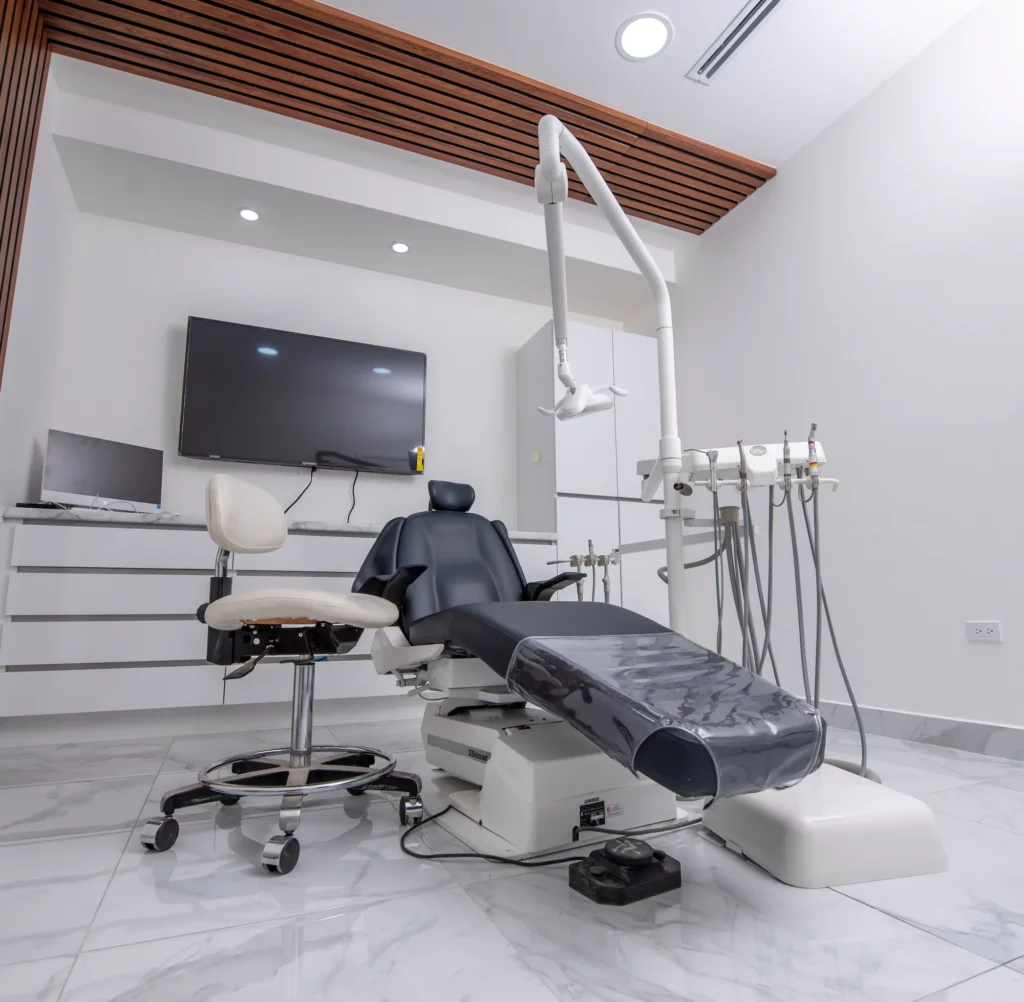
Dental clinics in Mexico use modern, high-tech equipment for procedures, similar to what is found in the U.S. Dental Algodones is not the exception. Being a family-owned clinic in Los Algodones, one of Mexico’s main dental tourism hubs, we focus on offering the highest-quality dental treatments for our foreign patients.
When you’re looking for a safe clinic, there are a few things to look out for: clear credentials for the lead dentists, top-notch sterilisation procedures, modern diagnostic gear and some case histories under their belt for implants, crowns and the rest. Family-run clinics like Dental Algodones can be a good option too because they often offer continuity, and you’re more likely to get hold of the same team years later. And just so you know, if you’re crossing the border to get treatment, a valid passport is a good idea these days.
Levels of Risk of Dental Procedures and making sure dental tourism is the best option for you.
Different procedures have different levels of risk; complications can arise months later after dental implant surgery, such as infection or improper integration, and follow-up care can be difficult for patients after return from Mexico due to the long-term monitoring required for osseointegration. Successful implantation typically requires at least two separate visits over 3–6 months to allow for proper healing.
A single tooth implant, an implant restoration or a crown after a root canal is all pretty routine if the planning is spot on. But full arch restorations, multiple extractions and immediate loading… that needs a bit more planning, some staged appointments, and a realistic expectation of how long it’s all going to take. Dentures and temporary prosthetics are still options if implants aren’t the way to go.
At Dental Algodones, we use digital panoramic X-rays and CBCT scans. We’ll provide you with an in-person examination on your initial appointment, and then we’ll let you know if any adjustments and follow-up appointments are necessary.
Putting it on paper, getting a written plan for your Dental Implants.
When evaluating implants in Mexico, ask about the brands of implants being used, the clinics lab partnerships and whether they will produce your dental prostheses in a way that actually respects your bite and facial structure, because not all doctors use the same materials or the same top-notch equipment, some clinics end up buying lower-cost components or outsource crowns to some lab that is a little too fast and a lot too cheap.
With Dental Algodones, you’ll get a clear, written treatment plan that spells out exactly what materials will be used, how long it will take, what services you can expect and what your warranty is going to cover. We’ll also confirm how we will support you in the long-term with any maintenance needs, and how they deal with any complications that might pop up after you get back home.
Getting Prepared to get Dental treatment, things you should do in advance.
As a foreign dental patient, the prior preparation for your dental services should include getting apre-visit virtual checkup, clear pricing, bilingual consent forms and post-operative instructions that you’d actually expect from a local dentist.
If you rely on dental insurance, you should check whether your insurer will cover services rendered outside of your home country; some patients end up paying cash up front for lower costs, then submitting the documentation to their insurer to get some of it back, when their policies allow it.
Using Dental insurance for your treatment
Just how much dental insurance will cover when you get treatment outside your home country can vary wildly.
Some policies only cover treatment done by approved dentists or require pre-authorisation, while others just exclude treatment done abroad. Before you book any appointments, you should get in touch with your insurance provider and ask what kind of documentation they need (detailed invoices, itemised services, pre- and post-op dental X-rays). Where insurance won’t help, that price difference and all the extra cash you’ll save can still make treatment pretty attractive to a lot of patients, but don’t let just the price be the deciding factor. You should also review the clinic’s written guarantees they might have, independently from your personal insurance.
Dental services in Mexico often come with a guarantee for specific treatments, typically for up to four years. Dental Algodones outlines its warranty policy before any major work begins, including how long different types of restorations are covered and under what conditions.
Practical checklist before you go
- Verify that the dentist you’re working with actually has their full name, degree and years of practice, and ask if they regularly perform implant procedures and major dental work, because not all dentists specialise equally.
- Request some recent intraoral photos and dental X-rays (including CBCT if you’re planning on implants). A reputable clinic will be happy to have you in to look over some stuff in person or do a virtual checkup before major treatment.
- Get a written treatment plan that spells out what materials they will use (implant brand, crown material), what the timeline is, what the costs are estimated to be and what the warranty terms are (some clinics go up to four years).
- Confirm that they’ve got proper sterilisation procedures, lab partnerships (who are actually going to produce your prosthetics), malpractice insurance and patient care policies in place.
- Make sure you leave some time for healing and follow-up; it’s a bad idea to try to cram too much into one trip.
- Ask how the clinic actually supports international patients for post-op issues: do they have photo triage, will they accept dental X-rays from your local dentist, or will they help out with return visits?
- Check if you can pay with cash, or a credit card, or if you need to make any sort of downpayment upfront, many patients still prefer paying cash because, to be honest, it can be a better deal that way.
- Double-check the travel arrangements and ID requirements (driver’s license or passport, shuttle service, and whether they got access to pharmacies for pain meds).
When you might want to stick with a local dentist
If you’ve got serious health issues, mobility problems, or are generally not feeling your best, or if your local dentist offers the same level of dental care as the one you’re thinking of going to abroad, with a warranty on top, then it might actually be a better idea to stay local. You should also be wary of any clinic that can’t give you the run-down on their treatment plan, refuses to give you the name of who’s in charge, or starts giving you vague answers about materials or follow-ups; that’s a pretty big red flag.
The last thing to keep in mind regarding a clinic’s reputation and risks
Mexican clinics, like Dental Algodones, can do some pretty amazing work at a fraction of the cost of back home, but not all clinics are created equal.
It’s not necessarily bad luck that some have a dodgy rep; sometimes, patients just go in not doing their homework, or they rush the healing process.
Many clinics in Mexico prioritise speed over necessary healing periods, increasing the risk of implant failure. There’s even a report from Families U.S.A. (you know, the Washington advocacy outfit) that found patients who got treated in Mexico were super happy with the results and not a lot of issues with their health afterwards, and most said the quality of the work was way better than what they’d gotten back in the States.
So, do the checklist thing, ask them to spill the beans on what dental materials they use and implant systems, and try to put patient safety first before you go too crazy looking for the lowest price. If you want to make things a bit easier, you can just get your records in order and ask them for a written quote, including the lab results, warranty info, and all that, before you even book a single appointment.
If you are planning on crossing at the border, make sure you know the going through point, like the Andrade Port of Entry, and have all your clinic and insurance details ready. And after the treatment, keep an eye out for any pain meds; many places advise whether to get them from the local pharmacy in Mexico or get them sorted through your doc back home